
Vape Device Safety 101: Spotting Legit, Compliant Kits after 2025
By Asif Iqbal ·
RoHS Certification and Vape Kit Safety 101: Spotting Legit, Compliant Kits after 2025
The vaping landscape has shifted significantly in 2025, with tighter regulations and stricter compliance requirements. Single-use (disposable) vapes have been banned from sale in the UK since 1 June 2025, so any "disposable" offered to you now is not a compliant product. Understanding how to identify a genuine, RoHS-compliant rechargeable vape kit is now essential if you're shopping for legally approved devices. The regulations aren't just bureaucratic—they exist to ensure you're using hardware that's been tested for safety and free from hazardous materials.
What RoHS Certification Actually Means
RoHS stands for Restriction of Hazardous Substances. Originally an EU rule and also a legal requirement in the UK, it limits ten hazardous substances in electrical and electronic equipment. For your vape device, this means the battery, circuits, and metal components cannot contain lead, mercury, cadmium, hexavalent chromium, certain brominated flame retardants, or certain phthalates beyond specified thresholds.
When a manufacturer produces a compliant vape kit, it should be able to back that up with test reports and technical documentation showing the materials used meet the standard. It's not a label to slap on for marketing—it's a legal requirement backed by documentation.
What does this protect you from? Degraded batteries that leak hazardous compounds. Circuit boards with banned flame-retardant chemicals. Long-term exposure to unnecessary substances during normal use. When you buy a RoHS-compliant device, the manufacturer has had to control the materials and suppliers it uses.
MHRA Notification and Electrical Safety: The Other Layers
RoHS only covers materials. In the UK, nicotine vaping products must also be notified to the MHRA before sale and meet TPD limits (no more than 20mg/ml nicotine and 2ml per tank or pod), and electrical products should carry UKCA or CE marking. Good devices also build in battery protections such as voltage regulation, thermal management and short-circuit protection—a device could avoid hazardous substances but still overheat if its battery management system fails.
Legitimate manufacturers test both aspects. When you're evaluating devices, look for retailers transparent about certification status on both fronts.
How to Verify Your Vape Device
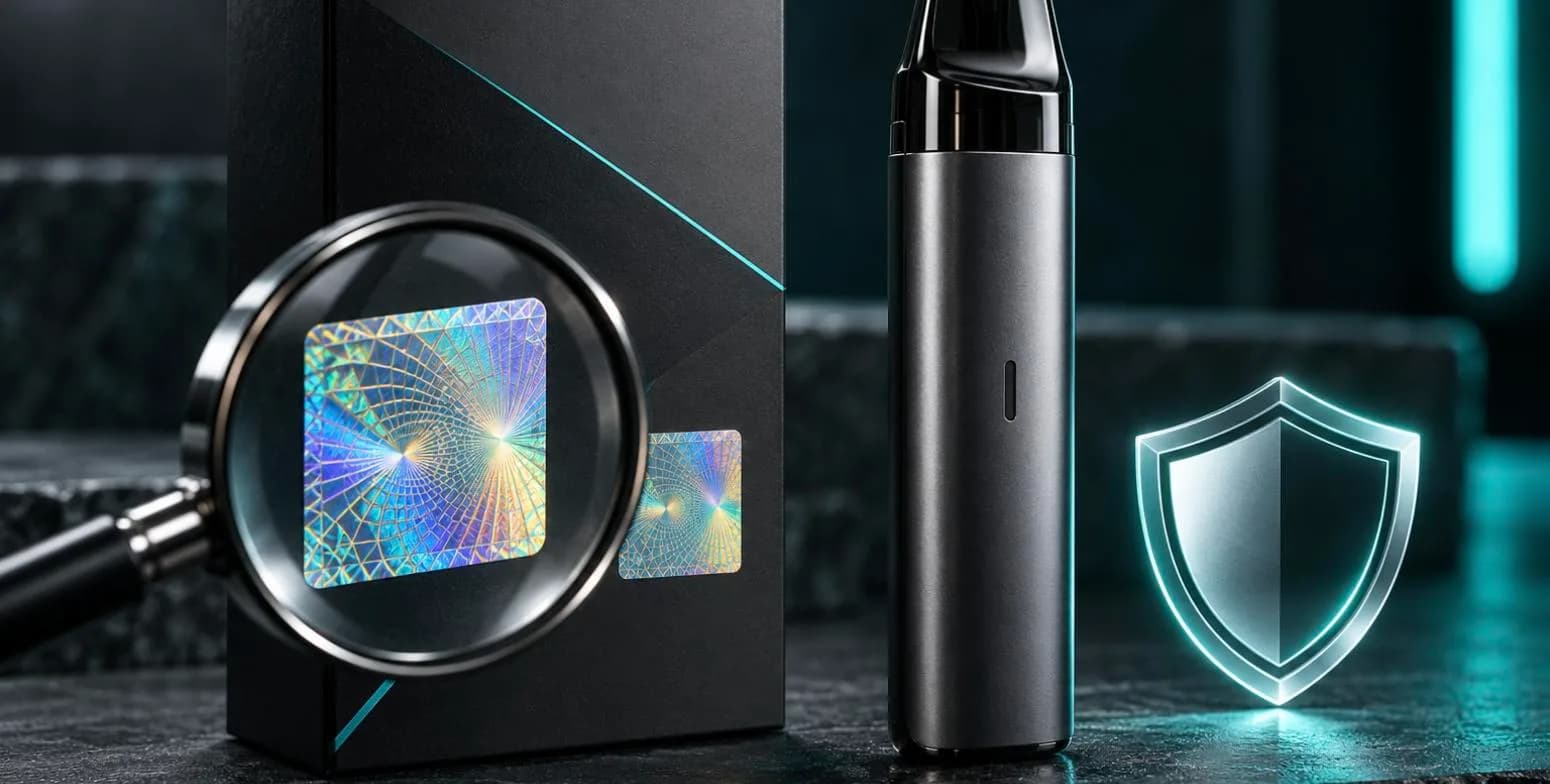
You should be able to check compliance in several ways. Look at the product packaging for certification marks or batch codes. Visit the manufacturer's website—genuine brands publish compliance documentation openly. Ask the retailer directly if they can provide proof. Cross-reference batch numbers with the manufacturer if you're uncertain.
Reputable UK retailers should be able to answer questions about the compliance of the brands they stock. If a retailer won't answer questions about certification or can't produce documentation, that's a clear warning sign.
You can browse rechargeable devices through Univapez's pre-filled vape kits and pod kits ranges.
Red Flags: What to Avoid
Counterfeit devices are becoming harder to spot visually, but certain things always suggest trouble. Prices significantly lower than established retailers—genuine compliance costs money, and that reflects in pricing. Packaging with poor print quality or spelling errors. Retailers unwilling to answer direct questions about certification. No batch codes or serial numbers. No clear manufacturer contact information.
Illicit vape seizures over the past year have revealed devices with unregulated nicotine levels, dangerous battery components, and materials that fail safety standards entirely. These devices can pose real risks: battery failures, chemical exposure, and unreliable nicotine delivery.
What to Look For When Buying
Choose retailers who display certification information prominently. Compare product specifications across trusted brands—look at puff counts, nicotine strengths, and specifications that match what the manufacturer claims. Check user reviews from multiple sources. Verify the retailer's business registration and customer service responsiveness.
If you're buying replacement pods or refillable devices, the same standards apply. Your hardware should come with clear documentation of what it is, where it's from, and proof it meets safety requirements.
The post-2025 environment isn't harder for legitimate vapers—it's actually safer. Compliant products have passed real testing. Retailers who stock them have done their due diligence. Your job is simply to ask the right questions and buy from sources that can answer them.
Like this? Tell Google you want more of it.