
The Environmental Impact of the UK Disposable Vape Ban
By Asif Iqbal ·
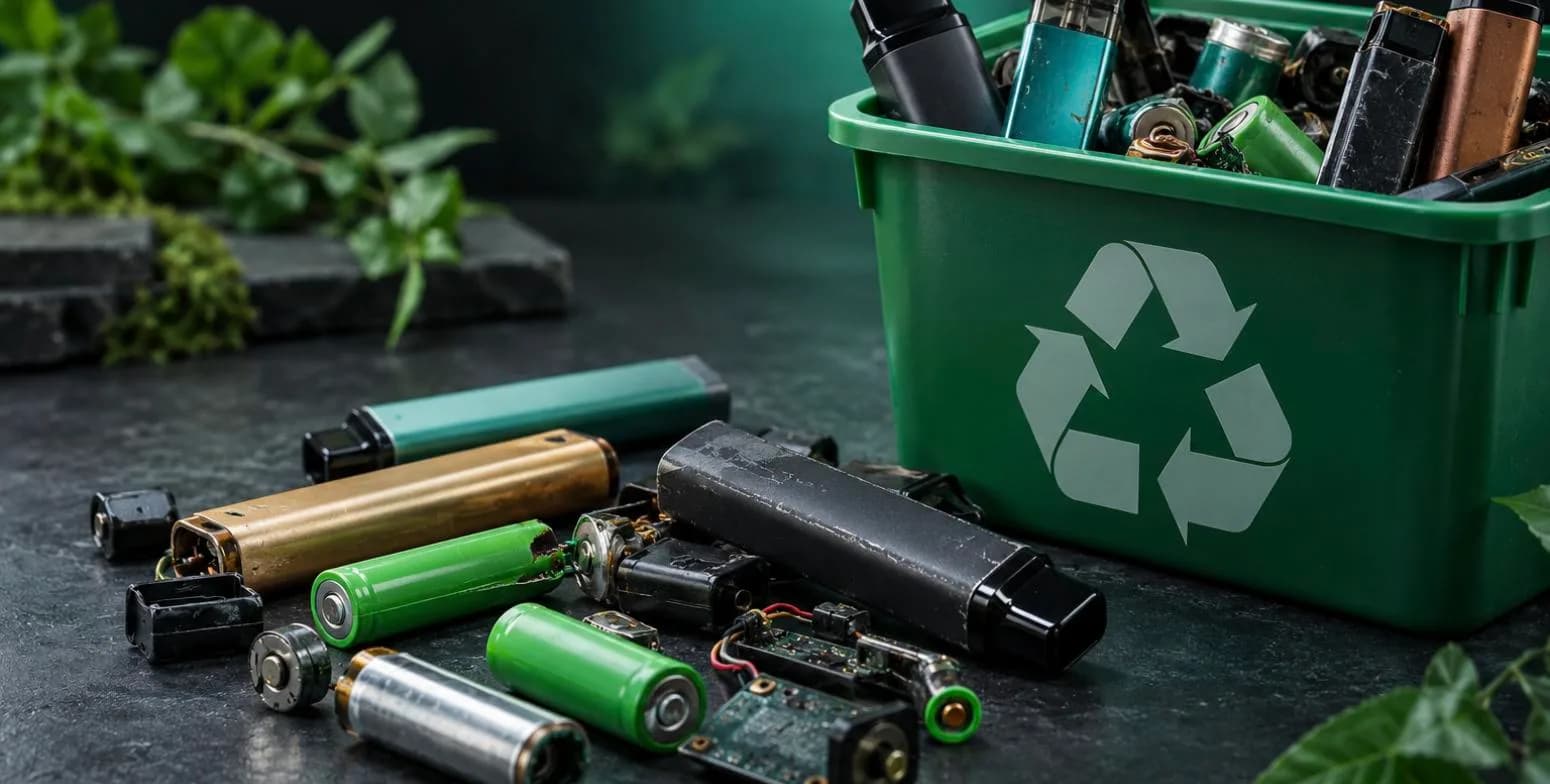
The Environmental Impact of the UK Disposable Vape Ban
A comprehensive analysis of environmental benefits, challenges, and alternatives
In 2023, nearly 5 million disposable vapes were discarded every week in the UK (Material Focus) — roughly 8 vapes thrown away every second. On 1 June 2025, a ban on the sale and supply of single-use vapes took effect across the UK, aimed at this environmental problem and at rising youth vaping. This analysis examines the environmental impact of disposable vapes and how the ban sets out to address it.
BBC News report on the UK's disposable vape ban
Understanding the Disposable Vape Crisis
In the years before the ban, the UK saw an unprecedented surge in disposable vape use. What began as a smoking cessation tool evolved into a widely accessible consumer product with significant environmental consequences.
Market Growth and Statistics
Hundreds of millions of disposable vapes were sold in the UK every year before the ban. Material Focus estimated that weekly disposals rose from about 1.3 million in 2022 to around 5 million in 2023.
Anatomy of a Disposable Vape
Components of Disposable Vapes
- Lithium-ion battery: Sealed-in power source containing critical minerals
- Plastic casing: Non-biodegradable exterior housing
- E-liquid reservoir: Holds up to 2ml of nicotine e-liquid
- Electronic circuit board: Contains metals including copper and gold
- Heating element: Metal coil that vaporizes e-liquid
- LED light: Indicates active use
Why They're Problematic
Unlike reusable vaping devices, disposables combined hazardous materials in a sealed unit designed to be used once and thrown away. They were not built for disassembly or recycling, creating a perfect storm of environmental challenges:
- Short lifespan (as little as 1-3 days for frequent users)
- Complex mixed materials that are difficult to separate
- Hazardous components requiring specialized handling
- No standardized recycling infrastructure
- Low consumer awareness of proper disposal methods
Environmental Impact Analysis
Critical Raw Material Waste
Material Focus estimated that disposable vapes thrown away in a year contained around 40 tonnes of lithium – enough for the batteries of about 5,000 electric cars. This represents a significant waste of critical materials that are essential for the green energy transition.
Critical Materials in Disposable Vapes
- Lithium: Essential for batteries, facing global supply constraints
- Cobalt: Used in battery electrodes, often mined in problematic conditions
- Copper: Used in circuitry and wiring
- Aluminum: Used in various components
- Nickel: Used in battery chemistry
Fire Hazards from Lithium-Ion Batteries
Lithium-ion batteries in disposable vapes pose significant fire risks when damaged during waste processing. Batteries, including those in vapes, are blamed for a large share of fires in bin lorries and at UK waste sites.
When crushed in waste collection vehicles or at processing facilities, damaged batteries can undergo thermal runaway – a chain reaction where the battery heats uncontrollably, potentially leading to fires and explosions. This poses dangers to waste workers, damages equipment, and creates additional pollution.
Demonstration of what happens when a lithium battery is punctured
Soil and Water Contamination
When disposed of incorrectly, vapes introduce plastic, nicotine salts, metals and flammable lithium-ion batteries into the natural environment. These substances can leach into soil and waterways.
Wildlife Impacts
Animals such as birds, fish, and marine mammals can mistake vapes for food and ingest poisonous chemicals. Plastic casings also break down into microplastics that can enter food chains.
Recycling Challenges
Despite being technically recyclable, disposable vapes present significant recycling obstacles:
- Only a minority of vapers recycled their disposable vapes correctly
- Limited processing capacity meant many collected vapes were not fully recycled
- Disassembly requires specialized facilities and manual labor
- No standardized design makes automated recycling difficult
- Hazardous components require special handling
Comparison with Other Electronic Waste
| E-Waste Type | Average Lifespan | Key Environmental Concerns |
|---|---|---|
| Disposable Vapes | 1-14 days | Fire hazards, toxic leaching, resource waste, combined nicotine hazard |
| Smartphones | 2-3 years | Resource depletion, toxic materials, e-waste volume |
| Reusable Vapes | 1-2 years | Contains similar materials but at lower volume per user |
| Single-Use Batteries | Variable | Heavy metals, chemical leaching, established recycling pathways |
The UK Disposable Vape Ban Explained
Timeline and Implementation
Since 1 June 2025, it has been illegal for businesses to sell or supply any single-use vape. This covers:
- All sales online and in physical shops
- All types of disposable vapes, whether or not they contain nicotine
- Having disposable vapes in stock for sale or supply
UK Vape Ban Timeline
Late 2023
Consultation period
January 2024
Ban announced
Late 2024
Regulations made
1 June 2025
Ban took effect
Scope and Exceptions
The ban covers vapes that are:
- Not rechargeable (use a lithium battery which cannot be recharged)
- Not refillable (once empty, the cartridge or pod cannot be refilled)
- Or neither rechargeable nor refillable
Importantly, reusable vapes – devices that can be recharged and refilled, including rechargeable devices with replaceable prefilled pods – remain legal and on sale.
Retailer Note
Retailers had until 1 June 2025 to clear their single-use stock. Since that date, any remaining single-use vapes cannot legally be sold and must be disposed of properly.
Enforcement Mechanisms
The ban is enforced through:
- Trading Standards officers conducting inspections
- Powers to impose on-the-spot fines on retailers who violate the ban
- Legal penalties for businesses that continue to sell disposable vapes
Discussion of the UK disposable vape ban
Legislative Context
The disposable vape ban builds upon other environmental initiatives in the UK, including:
- Single-use plastic bans (straws, plates, and cutlery)
- The Environmental Improvement Plan's goal to reduce residual waste
- The UK Critical Minerals Strategy (2022) which aims to conserve critical raw materials
- Ongoing reforms to the Waste Electrical and Electronic Equipment (WEEE) Regulations
Environmental Benefits of the Ban
Projected Waste Reduction
By removing disposable vapes from the market, the UK expects to keep millions of devices out of waste streams every week. This represents a significant reduction in electronic waste volume and associated environmental impacts.
Waste Reduction Impact
- Up to 5 million fewer disposable vapes discarded weekly (based on 2023 levels)
- Around 260 million fewer vapes entering waste streams annually
- Substantial reduction in lithium-ion batteries in general waste
- Decreased pressure on waste management infrastructure
Annual Waste Reduction After Ban
260M
Devices
Disposable vapes kept out of waste
Resource Conservation Outcomes
The ban helps conserve critical raw materials that are essential for the transition to a low-carbon economy. This includes:
- Preserving lithium for essential applications like electric vehicle batteries
- Reducing demand for cobalt, often mined in problematic conditions
- Conserving copper and other metals used in electronic components
Fire Risk Mitigation
With fewer lithium-ion batteries entering general waste and recycling streams, the risk of waste fires is expected to decrease significantly. This provides safety benefits for:
- Waste collection workers
- Recycling facility staff
- Communities surrounding waste management facilities
- Fire services who respond to waste fires
Local Authority Cost Savings
Local authorities stand to benefit from reduced costs associated with:
- Litter collection and clean-up
- Landfill gate fees
- Energy from waste (EfW) gate fees
- Firefighting and facility repairs due to battery fires
Long-term Ecological Benefits
The environmental benefits extend to broader ecological improvements, including:
- Reduced soil contamination from hazardous materials
- Decreased water pollution from leaching chemicals
- Lower risk to wildlife through ingestion or habitat contamination
- Reduction in microplastic generation
- Lower greenhouse gas emissions from manufacturing and incineration
Challenges and Concerns
Economic Impact on Businesses
The ban forced significant adjustments for several business segments:
- Retailers who relied on disposable vape sales for revenue
- Wholesalers who supply disposable products
- Importers and distributors who specialize in disposable products
- Manufacturers (though most manufacturing occurs outside the UK)
Business Impact Assessment
Specialty Vape Shops
High impact - May need to pivot business model
Convenience Stores
Medium impact - Revenue loss from impulse purchases
Reusable Vape Manufacturers
Positive impact - Increased market share
Black Market Potential
Industry stakeholders expressed concerns about driving the market underground. Surveys before the ban suggested a significant minority of disposable users would consider buying illegal vapes, and many expected black market activity to rise. Buy only from reputable UK retailers and report illegal sellers to Trading Standards.
Consumer Behavior Adaptation
Consumers who preferred disposable vapes have had to adapt, which may include:
- Switching to reusable vape systems
- Returning to traditional cigarettes (a public health concern)
- Using alternative nicotine products like pouches
- Seeking out illegal disposable products
Transition Period Issues
The implementation timeline created challenges:
- Managing existing inventory before the ban took effect
- Consumer education about disposal of remaining products
- Creating sufficient infrastructure for alternative products
- Training retail staff on new regulations
Alternative Solutions and Future Directions
Reusable Vape Systems
Reusable vaping devices offer a more environmentally sustainable alternative to disposables. These systems:
- Have longer lifespans (typically 1-2 years)
- Reduce waste volume per user
- Allow for component replacement rather than whole device disposal
- Some mods use removable batteries, which are easier to recycle
Disposable vs. Reusable Vapes: Environmental Comparison
| Factor | Disposable Vapes | Reusable Vapes |
|---|---|---|
| Average Lifespan | 1-14 days | 1-2 years |
| Waste Generated (per user/year) | 26-365 units | 1-2 units + replaceable components |
| Battery Disposal | Entire unit discarded with battery sealed inside | Built in on most pod kits; removable on some mods |
| Resource Efficiency | Very low - entire device discarded after use | Higher - base unit retained, only consumables replaced |
| Recycling Potential | Low - difficult to disassemble | Medium - easier component separation |
| Carbon Footprint | High per use (manufacturing, shipping, disposal) | Lower per use (amortized over longer lifespan) |
Advanced Recycling Technologies
Investment in specialized recycling infrastructure could help address the existing stock of vapes and future electronic waste:
- Automated disassembly systems for electronics with embedded batteries
- Enhanced lithium recovery processes
- Chemical processes to separate and recover critical materials
- Specialized handling facilities for nicotine-contaminated components
Extended Producer Responsibility
Reform of the WEEE (Waste Electrical and Electronic Equipment) regulations aims to place greater responsibility on producers, which could include:
- Creating a separate WEEE category for vapes to better track and manage them
- Making producers financially responsible for the full cost of recycling
- Requiring producers to establish take-back schemes
- Setting design standards that facilitate recycling
Design Innovations for Sustainability
Future vaping products could incorporate sustainable design principles:
- Modular construction allowing for component replacement
- Easily removable batteries
- Reduction in mixed materials
- Biodegradable components where possible
- Standardized designs that facilitate automated recycling
Sustainable Design Features
Modular Components
Allows replacement of worn parts rather than entire device
Standardized Batteries
Universal battery formats that are easily removed and recycled
Material Segregation
Clear separation of materials to facilitate recycling
Disassembly Markers
Design features that guide easy disassembly for recycling
Global Context: International Approaches
International Regulatory Landscape
The UK's ban on disposable vapes reflects a growing international trend, with several countries implementing or considering similar measures (at the time of writing):
| Country | Regulatory Approach | Implementation Timeline | Key Features |
|---|---|---|---|
| New Zealand | Partial ban | Implemented 2023 | Only single-use vapes with removable batteries, child-safety mechanisms, and following specific labeling requirements are permitted |
| Australia | Import ban | January 2024 | Banned imports of disposable vapes to curb nicotine addiction in children |
| France | Full ban | In force from February 2025 | Targeting disposable vapes due to health and environmental concerns |
| Germany | Considering ban | Under consideration | Exploring options to address environmental impacts and disposal issues |
| Ireland | Considering ban | Under consideration | Similar environmental and youth vaping concerns as UK |
| Singapore | Total vape ban | Implemented | Ban on all vaping products, including possession |
Lessons from Early Adopters
Countries that have already implemented restrictions offer insights:
- New Zealand's approach of allowing only certain types of disposable vapes with specific safety features offers a middle-ground solution
- Australia's focus on import restrictions targets the supply chain rather than retail enforcement
- Singapore's comprehensive ban highlights challenges in enforcement and potential black market issues
Future International Policy Trends
Several developments may shape future international approaches:
- Growing recognition of vaping products within international waste treaties
- Potential for harmonized design standards across jurisdictions
- Development of international best practices for vape waste management
- Collaborative approaches to tackling cross-border illegal sales
Frequently Asked Questions
When did the UK disposable vape ban take effect?
The UK's ban on disposable vapes took effect on 1 June 2025. Since then it has been illegal for businesses to sell or supply any single-use vape.
Why were disposable vapes banned in the UK?
The primary reason for the ban was environmental protection. Disposable vapes caused significant harm through waste, lithium battery fires, lost resources and pollution. The ban also aimed to address rising youth vaping rates.
How should I dispose of my existing disposable vapes?
Disposable vapes should never be placed in general waste or recycling bins. Instead, take them to a dedicated electronic waste collection point, a vape shop with a collection bin, or your local Household Waste and Recycling Centre (HWRC) using designated bins for small electricals.
Are reusable vapes still available after the ban?
Yes. Reusable vapes (those that can be recharged and refilled, including rechargeable devices with replaceable prefilled pods) remain legal and available to buy for adults aged 18 and over. Only single-use products were banned.
What happened to retailers' remaining stock?
Retailers had until 1 June 2025 to sell their existing stock. Since that date it has been illegal to sell or supply any remaining disposable vapes, regardless of when the retailer bought them.
How is the ban enforced?
Trading Standards officers enforce the ban through inspections and have powers to issue on-the-spot fines to retailers who break it. Businesses that continue to sell disposable vapes can also face prosecution.
Why are disposable vapes such a fire hazard?
The lithium-ion batteries in disposable vapes can cause fires when damaged during waste processing. If crushed or punctured, they can short-circuit, causing thermal runaway – a chain reaction where the battery heats uncontrollably, potentially leading to fires and explosions.
Conclusion
The UK's ban on disposable vapes, which took effect on 1 June 2025, is a significant step toward addressing a growing environmental problem. By removing these single-use products from the market, the UK aims to substantially reduce electronic waste, conserve critical materials, decrease fire risks, and minimize environmental contamination.
While challenges remain—including business adaptation, consumer behavior changes, and potential black market concerns—the environmental benefits are substantial. The ban aligns with broader global trends toward sustainable product design and responsible resource management.
For consumers, the change is an opportunity to move to more sustainable alternatives like rechargeable pod kits and refillable devices. For businesses, it demanded adaptation but also created new market opportunities in reusable products and recycling technologies.
Take Action
If you still have old disposable vapes:
- Dispose of used vapes at proper electronic waste (WEEE) collection points
- Switch to a rechargeable pod kit or refillable device
- Research the environmental impact of your consumption choices
As we move toward a future with fewer disposable products, the UK's vape ban serves as an important case study in balancing consumer needs, business interests, and environmental protection. The true measure of its success will be not just in eliminating harmful products, but in fostering a more sustainable approach to both vaping and product design more broadly.
Like this? Tell Google you want more of it.