
The Push for a Smokefree 2030 UK: Vaping's Role in a Healthier Future
By Asif Iqbal ·
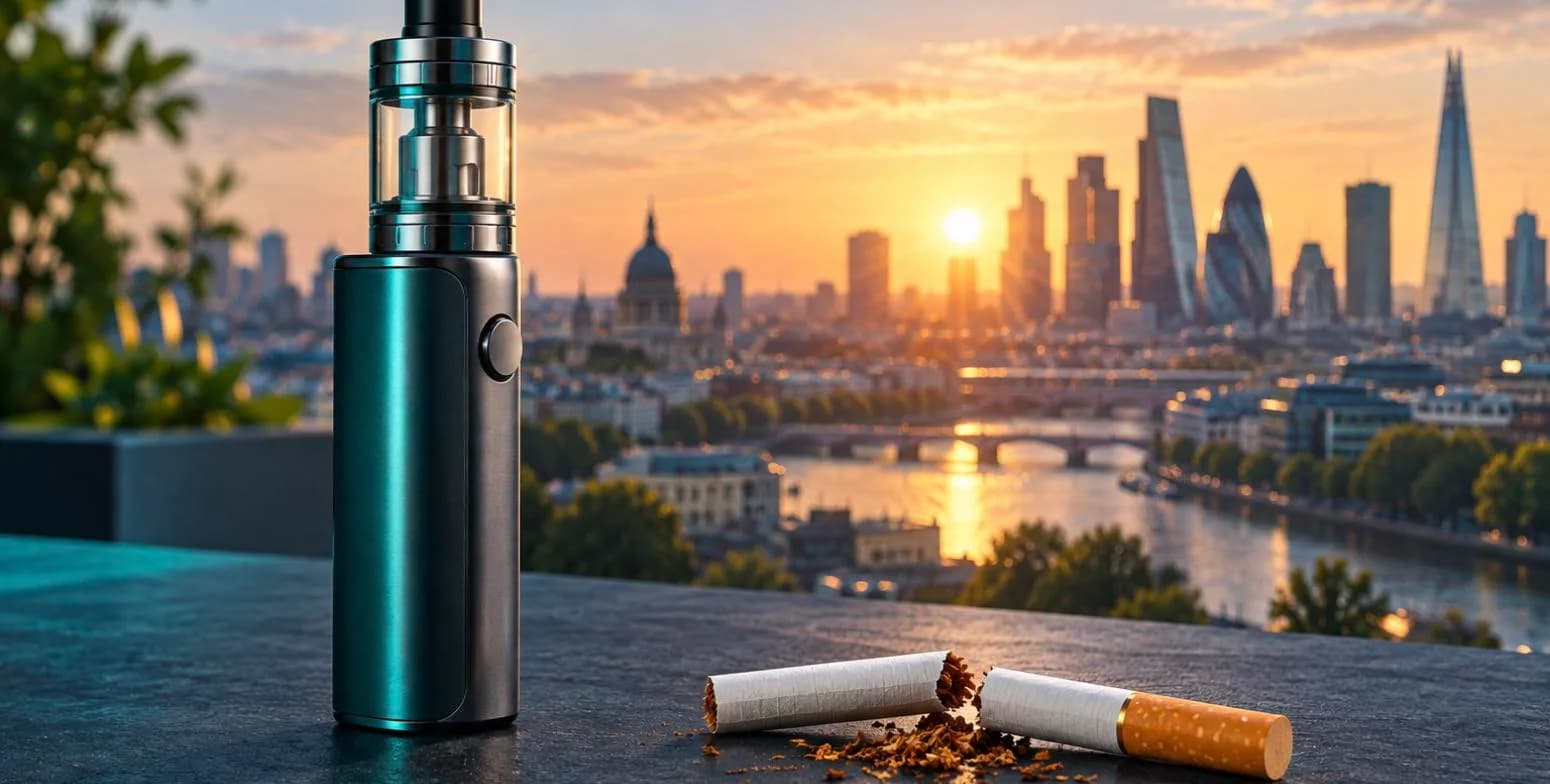
The Push for a Smokefree 2030 UK: Vaping's Role in a Healthier Future
The United Kingdom stands at the forefront of global tobacco control with its ambitious vision: becoming 'smokefree' by 2030. This isn't just a lofty ideal but a concrete policy objective backed by legislation, funding, and innovative approaches to smoking cessation. Central to this strategy is the increasing role of vaping—a controversial yet potentially transformative tool in the battle against tobacco addiction.
As smoking remains the leading cause of preventable death in the UK, claiming approximately 80,000 lives annually, the government has set its sights on creating a 'smokefree generation.' But what exactly does 'smokefree' mean? The official definition targets reducing adult smoking prevalence to 5% or less—a dramatic shift from historical rates that would effectively end smoking as a widespread public health issue.
The Push for a Smokefree 2030 UK
The emergence of vaping as a smoking cessation tool represents a paradigm shift in how we approach nicotine addiction. While traditional methods like nicotine patches and gum have helped many quit, e-cigarettes offer a unique alternative that mimics the ritualistic aspects of smoking while delivering nicotine in a form the NHS describes as substantially less harmful than smoking, although not risk-free. This article explores how vaping has become central to the UK's smokefree strategy, examining the evidence, policies, support systems, and ongoing challenges in this evolving landscape.
Understanding the Smokefree 2030 Initiative
The Smokefree 2030 initiative represents one of the UK's most ambitious public health goals of the 21st century. Announced in July 2019 as part of the Prevention Green Paper, "Advancing our health: prevention in the 2020s," this policy commitment set a clear objective: to reduce smoking prevalence in England to 5% or less by 2030.
Origin and Definition of "Smokefree"
The term "smokefree" doesn't literally mean the elimination of all smoking in the UK. Rather, it refers to reaching a smoking prevalence of 5% or less in the adult population—a threshold at which smoking would no longer be considered a widespread public health issue. This target represents a significant shift from historical rates, which exceeded 40% in the 1970s and stood at approximately 14% when the initiative was announced.
What Makes a Country "Smokefree"?
A country is considered "smokefree" when adult smoking prevalence falls to 5% or below. At this level, smoking becomes a minority activity with significantly reduced public health impact and decreased societal normalization.
Timeline and Key Milestones
UK Government announces Smokefree 2030 ambition in the Prevention Green Paper
Khan Review commissioned to identify additional interventions needed to achieve smokefree goal
Publication of the Khan Review with 15 recommendations to help make smoking obsolete
Launch of "Swap to Stop" scheme offering vaping starter kits to smokers
Introduction of the Tobacco and Vapes Bill with generation-specific smoking ban
Single-use disposable vape ban took effect across the UK (1 June)
Target date for achieving "smokefree" status (≤5% smoking prevalence)
Current Progress Toward the 2030 Goal
Despite significant advances in tobacco control, recent analysis by Cancer Research UK indicates that on current trends, the UK would not reach the Smokefree 2030 target until 2039—nearly a decade behind schedule. This projection underscores the need for accelerated and innovative approaches to smoking cessation.
According to the Office for National Statistics (ONS), about 11.9% of UK adults smoked in 2023 (roughly 6 million people), marking the lowest level recorded since 2011. However, progress has slowed in recent years, particularly during the COVID-19 pandemic, which disrupted many cessation services and created stress conditions that sometimes led to increased smoking.
Recognizing these challenges, the government has introduced more aggressive policies, including the Tobacco and Vapes Bill, introduced in 2024, which proposes a generation-specific smoking ban—anyone born on or after 1 January 2009 would never be able to legally buy tobacco products. The Bill was still going through Parliament at the time of writing. This "smokefree generation" approach represents one of the most progressive tobacco control measures globally.
Current Smoking and Vaping Statistics in the UK
Understanding the evolving landscape of nicotine use in the UK requires a close examination of current data on both smoking and vaping behaviors. These statistics provide essential context for evaluating the impact of tobacco control policies and the growing role of vaping in smoking cessation efforts.
Latest Smoking Prevalence Data
Adult smoking rate in the UK (ONS, 2023)
Annual deaths attributed to smoking
Adults in the UK who smoke (ONS, 2023)
Smoking rates continue their long-term decline across the UK, with significant variations by age group, socioeconomic status, and region. Smoking is most common among adults aged 25-34 and least common among those over 65, and it is much more common in economically disadvantaged communities than in more affluent areas—a disparity that highlights the social gradient of tobacco use and its contribution to health inequalities.
Vaping Adoption Rates Among Adults
Adults in Great Britain who currently vape (ASH, 2024)
Adult vapers in Great Britain (ASH, 2024)
Vaping has grown substantially in the UK since the early 2010s. According to ASH, the large majority of adult vapers are current or former smokers, using e-cigarettes to quit or cut down. However, a concerning trend has emerged: a growing number of adults who never regularly smoked now vape, many of them young adults.
Youth Vaping Trends
Youth vaping has become a significant public health concern, with recent statistics showing high levels of underage e-cigarette use. According to 2024 data from Action on Smoking and Health (ASH):
- 7.2% of children aged 11-17 currently use vapes
- More children now vape than smoke
- Some young people use both vapes and cigarettes
- Before the June 2025 ban, disposable vapes were the preferred product among youth users
Important Concern
The rise in youth vaping, particularly among those who have never smoked, presents a significant challenge to public health authorities. While vaping is less harmful than smoking, nicotine exposure during adolescence may harm brain development and potentially lead to nicotine addiction.
Comparison Between Smoking and Vaping Rates
In recent years vaping has overtaken smoking among younger adults, marking a fundamental transformation in how nicotine is consumed in British society. Key observations include:
- Among 18-24 year olds, vaping is now more common than smoking
- Disposable vapes drove much of the growth in the e-cigarette market from 2021 until the ban
- Across all adults, the number of vapers in Great Britain (about 5.6 million) is now close to the number of smokers
These statistics highlight the complex and evolving relationship between smoking and vaping in the UK. While vaping has emerged as a promising tool for smoking cessation, growing concerns about youth initiation and non-smoker uptake have prompted stronger regulatory responses, including the ban on single-use disposable vapes that took effect on 1 June 2025.
The Role of Vaping in Smoking Cessation
The UK has adopted a unique approach to vaping compared to many other countries, embracing e-cigarettes as part of its tobacco harm reduction strategy while maintaining appropriate regulations. This evidence-based position has positioned vaping as a central component of smoking cessation efforts nationwide.
Scientific Evidence on Vaping Efficacy
A growing body of research supports the effectiveness of e-cigarettes as smoking cessation tools. Key findings from recent studies include:
- Comparative Effectiveness: Cochrane systematic reviews of randomised trials have found that nicotine e-cigarettes help more people stop smoking than nicotine replacement therapy (NRT).
- Real-World Success: Research from University College London estimated that e-cigarettes helped between 50,000-70,000 smokers quit in England in a single year who would not have quit otherwise.
- Long-Term Outcomes: A 2024 study in Nicotine & Tobacco Research showed a positive association between increased e-cigarette use at population level and improved quit success rates in England.
- NHS Stop Smoking Services: Data from these services in 2020-2021 showed that quit attempts involving vaping products had the highest success rates (64.9%) compared to other methods.
NHS Position on Vaping for Quitting Smoking
The National Health Service (NHS) has taken a progressive stance on vaping for smoking cessation. Their official position states:
"Evidence shows that vaping is less harmful than smoking. Vaping exposes users to fewer toxins and at lower levels than smoking cigarettes. Switching to vaping reduces your exposure to toxins that can cause cancer, lung disease, and diseases of the heart and circulation like heart attack and stroke." — NHS Better Health
This position is supported by research from Public Health England (now part of the UK Health Security Agency), which concluded that vaping is approximately 95% less harmful than smoking. While the NHS acknowledges that vaping is not risk-free, it emphasizes that for smokers, switching to vaping represents a significant reduction in harm.
Comparison with Traditional Cessation Methods
| Cessation Method | Advantages | Disadvantages |
|---|---|---|
| E-cigarettes | Mimics smoking behavior, immediate nicotine delivery, variety of flavors, customizable nicotine levels | Long-term health effects not fully known, potential for continued nicotine dependence |
| Nicotine Replacement Therapy (NRT) | Well-researched, available on NHS prescription, multiple formats (patches, gum, lozenges) | Slower nicotine delivery, doesn't address behavioral aspects of smoking |
| Varenicline (Champix) | Reduces cravings and blocks pleasurable effects of smoking | Prescription only, potential side effects, supply issues in recent years |
| Bupropion (Zyban) | Reduces cravings, may help with mood during quitting | Prescription only, not suitable for everyone, potential side effects |
| Cold Turkey (no aids) | No cost, no additional substances | Very low success rate, difficult withdrawal symptoms |
The evidence shows that e-cigarettes, particularly when combined with professional behavioural support, are among the most effective ways to stop smoking. This has led to their increasing integration into mainstream cessation services across the UK.
Government Policies and Regulations
The UK has developed a balanced regulatory approach to tobacco and vaping products, with policies designed to encourage adult smokers to switch to less harmful alternatives while protecting youth and non-smokers. Recent legislative developments have significantly advanced these objectives.
The Tobacco and Vapes Bill Overview
Introduced in November 2024, the Tobacco and Vapes Bill is the most significant proposed tobacco control legislation in the UK in decades. It was still going through Parliament at the time of writing, so the measures below are proposals rather than law:
- Smokefree Generation: Would prohibit the sale of tobacco products to anyone born on or after January 1, 2009—creating a generation that can never legally purchase cigarettes.
- Vape Marketing Restrictions: Would stop vaping products being deliberately branded, promoted, or advertised to appeal to children.
- Enforcement Powers: Would enhance powers for Trading Standards officers to enforce age restrictions on both tobacco and vaping products.
- Retail Registration: Would introduce a new registration scheme for all businesses selling tobacco or vaping products.
- Packaging Regulations: Would allow stricter regulations on vape flavours, packaging and presentation to reduce appeal to young people.
- Vending Machine Ban: Would prohibit vape and nicotine product vending machines.
This legislation aims to accelerate progress toward the Smokefree 2030 goal while addressing rising concerns about youth vaping. The "smokefree generation" approach in particular has attracted international attention as an innovative policy mechanism that could gradually phase out smoking entirely.
Disposable Vape Ban (June 2025)
The UK and devolved governments legislated to ban the sale and supply of single-use (disposable) vapes, and the ban took effect on 1 June 2025. It addressed two primary concerns:
Environmental Impact
Disposable vapes have become a significant source of plastic pollution and electronic waste. Before the ban, recycling charity Material Focus estimated that around five million single-use vapes were thrown away every week in the UK, with many improperly disposed of despite containing lithium batteries and plastic components.
Youth Appeal
Colourful, pocket-sized disposable vapes with sweet flavours proved particularly attractive to young people. ASH's 2023 youth survey found that 69% of young people who vaped used disposables, making them the primary driver of underage vaping.
The ban applies to all single-use vapes, including non-nicotine versions, and prohibits their sale, supply, or possession for sale or supply. Public support for the ban was high, with nearly 70% of respondents to the government consultation backing restrictions on disposable vapes.
Many users moved to rechargeable and refillable devices, or rechargeable kits with replaceable prefilled pods, which remain legal. This aligns with the government's goal of maintaining vaping as an option for adult smokers while reducing environmental impact and youth appeal.
Vaping Product Regulations
Beyond the disposable vape ban, the UK maintains comprehensive regulations on all vaping products through the Tobacco and Related Products Regulations (TRPR), which was retained from EU legislation post-Brexit and is being updated to address emerging concerns:
- Nicotine Strength Limits: Maximum nicotine concentration of 20mg/ml (2%)
- Tank Capacity: Maximum e-liquid tank capacity of 2ml
- Container Size: Maximum e-liquid refill container size of 10ml
- Ingredient Restrictions: Ban on ingredients including coloring, caffeine, and taurine
- Warning Labels: Mandatory health warnings covering 30% of packaging
- Age Verification: Strict requirements for age verification for all sales
- Emissions Testing: Products must undergo emissions testing and notification
- New Flavor Restrictions: Proposed limits on vape flavors that particularly appeal to children
These regulations aim to ensure product safety and quality while preventing features that might attract non-smokers, particularly youth. The UK's approach is considered moderate compared to some countries that have banned vaping entirely, reflecting the government's commitment to harm reduction principles.
Smokefree Generation Policy
The "smokefree generation" policy represents a novel approach to tobacco control that could fundamentally reshape smoking patterns in the UK. Rather than attempting to convince current smokers to quit (though this remains important), it focuses on preventing new smokers from starting.
Under this proposal, the legal age for purchasing tobacco would effectively rise by one year every year, creating a moving age barrier that will eventually phase out legal tobacco sales to new generations entirely. This approach has several advantages:
- Avoids the problems associated with prohibition for current adult smokers
- Creates a clear generational divide in smoking behavior
- Gradually reduces tobacco market size through natural demographic change
- Sends a powerful message about societal attitudes toward smoking
- May be more politically sustainable than immediate bans
New Zealand had pioneered this approach before the UK, though the law was repealed by a new government in 2024. The UK's pursuit of this strategy signals a long-term commitment to ending the tobacco epidemic through generational change rather than just incremental improvements in cessation rates.
NHS Support Programs for Smoking Cessation
The National Health Service (NHS) offers a comprehensive range of support services for smokers looking to quit, including innovative programs that incorporate vaping as a cessation tool. These services combine evidence-based approaches with personalized support to maximize quit success rates.
NHS Vaping Starter Kit Scheme
In April 2023, the government announced the "Swap to Stop" scheme—the world's first national programme offering vaping starter kits to smokers who want to quit. Key features of this initiative include:
- Free vape starter kits for up to 1 million smokers—almost one in five smokers in England
- Behavioral support from trained cessation advisors alongside the vaping device
- Focus on adult smokers who have previously failed to quit using other methods
- Rechargeable devices rather than disposables, promoting sustainability
- Strict age verification and targeting only to current smokers
The programme represents a significant shift in how the NHS approaches smoking cessation, embracing vaping as a mainstream quitting aid rather than an alternative or last resort option.
How to Access the Swap to Stop Scheme
Eligible smokers can access the Swap to Stop scheme through their local Stop Smoking Service. While vaping products are not currently available on NHS prescription, the scheme provides free starter kits through specialized services. Contact your local NHS Stop Smoking Service or visit the NHS Better Health website to find participating locations near you.
Stop Smoking Services
NHS Stop Smoking Services continue to offer specialized support for smokers wanting to quit. These services provide:
- One-to-one counseling with trained cessation advisors
- Group support sessions with other quitters
- Prescription medications including varenicline and bupropion
- Nicotine replacement therapies such as patches, gum, and lozenges
- Carbon monoxide monitoring to track progress
- Tailored support for pregnant women and those with mental health conditions
- Vaping guidance and starter kits (through Swap to Stop where available)
Research consistently shows that smokers are up to three times more likely to quit successfully when using NHS Stop Smoking Services compared to attempting to quit unaided. The integration of vaping options has further enhanced these services' effectiveness, particularly for heavy smokers who have previously struggled to quit.
Financial Incentives and Resources
The NHS uses financial incentives and free tools to encourage smoking cessation, particularly among priority groups:
- Pregnancy Incentive Schemes: Offering vouchers worth up to £400 for pregnant women who successfully quit smoking
- Cost Savings Calculator: Digital tools showing personalized financial benefits of quitting
When combined with behavioural support and appropriate cessation aids (including vaping), incentives like these can help boost quit rates.
Digital Support Tools and Apps
The NHS has embraced digital technology to extend the reach and effectiveness of its smoking cessation support:
NHS Quit Smoking App
Provides personalized quit plans, daily motivation, progress tracking, and achievement badges
Smokefree National Helpline
Free advice and support from trained advisers on 0300 123 1044
Online Community Forums
Peer support networks connecting quitters with success stories and shared experiences
These digital tools complement traditional face-to-face services and have proven particularly valuable during the COVID-19 pandemic when in-person support was limited. They also help reach younger smokers who may be less likely to engage with conventional healthcare services.
Tip
Quitting tends to work best when you combine behavioural support with a cessation aid (such as vaping, if it suits you). Local stop smoking services are free, so use the support available rather than trying to quit alone.
Balancing Adult Cessation and Youth Prevention
One of the most challenging aspects of the UK's vaping policy is striking the right balance: supporting adult smokers to quit using vapes while preventing youth uptake. This delicate equilibrium requires nuanced approaches and targeted interventions.
Youth Vaping Concerns
The rise in youth vaping has become a significant public health concern in the UK. Recent statistics highlight the scope of the issue:
- Around 7% of 11-17 year-olds currently vape (ASH, 2024)
- Rates are highest among older teenagers aged 16-17
- Some young people who vape have never smoked tobacco
- Before the ban, disposable vapes were by far the most popular product among young users
These trends have raised legitimate concerns about a new generation potentially becoming addicted to nicotine through vaping. While vaping is significantly less harmful than smoking, nicotine exposure during adolescent brain development may have lasting negative effects, and the long-term health impacts of vaping remain partially unknown.
Youth Vaping Red Flags
Parents and educators should be aware of indicators of youth vaping, including: sweet or fruity scents without an obvious source, unfamiliar USB-style devices or chargers, and unexplained purchases.
Educational Campaigns
The UK has launched several targeted educational campaigns to address youth vaping while maintaining appropriate messaging for adult smokers:
Youth-Focused Campaigns
- School-based educational programs about nicotine addiction risks
- Social media campaigns targeting teen audiences
- Peer-led initiatives using youth ambassadors
- Parent education resources about spotting vaping
Adult Smoker Campaigns
- "VApril" annual campaign promoting vaping for smoking cessation
- NHS Better Health resources on switching from smoking to vaping
- Targeted messaging for disadvantaged communities with high smoking rates
- Clear, evidence-based information on relative risks
These differentiated messaging strategies aim to discourage youth initiation while encouraging adult smokers to consider vaping as a less harmful alternative. Public health authorities have learned that overly alarmist messaging about vaping risks can inadvertently discourage smokers from switching to a less harmful alternative.
Age Verification Measures
Strengthened age verification requirements form a cornerstone of the UK's youth vaping prevention strategy:
- In-Store Checks: It is illegal to sell vapes to under-18s, and most retailers operate Challenge 25 ID checks
- Online Verification: Enhanced age verification for e-commerce sites selling vapes, requiring proof of age before purchase completion
- Proxy Purchasing: It is illegal for adults to buy vapes on behalf of under-18s
- Retailer Training: Staff training on age-restricted sales
- Enhanced Enforcement: Additional powers for trading standards officers to conduct test purchasing operations
- Retail Register: The proposed registration scheme for all businesses selling vaping products
The Tobacco and Vapes Bill proposes more rigorous enforcement and higher penalties for breaking age restriction laws.
School-Based Prevention Programs
Educational institutions play a crucial role in preventing youth vaping. Effective school-based approaches include:
- Curriculum Integration: Age-appropriate information about vaping and nicotine embedded within health education
- Detection Technology: Some schools have installed vape detection systems in bathrooms and other common vaping locations
- Clear Policies: Transparent rules and consequences for vaping on school premises
- Supportive Interventions: Resources for students who are already vaping to access cessation support rather than purely punitive approaches
- Parent Partnerships: Information sessions and resources for parents to recognize and address vaping
The UK's balanced approach acknowledges the tension between promoting vaping for adult smoking cessation and preventing youth initiation. The disposable vape ban, which took effect on 1 June 2025, was a significant policy shift aimed at addressing youth vaping while preserving vaping as an option for adult smokers through refillable systems. This represents a nuanced middle ground between countries that have banned vaping entirely and those with minimal regulations.
Environmental and Health Considerations
The environmental impact and health implications of both smoking and vaping are critical factors in the UK's tobacco control strategy. Understanding the comparative effects helps inform policy decisions and individual choices about nicotine consumption.
Environmental Impact of Smoking vs. Vaping
Tobacco products and vaping devices both create environmental challenges, though their impacts differ significantly in nature and scale:
| Environmental Factor | Cigarettes | Disposable Vapes | Refillable Vapes |
|---|---|---|---|
| Waste Volume | 4.5 trillion cigarette butts discarded globally per year | Estimated 5 million disposable vapes discarded weekly in the UK | Significantly lower waste volume with occasional coil and component replacement |
| Biodegradability | Filters can take up to 10 years to decompose | Non-biodegradable plastic, metal, and electronic components | Longer lifespan reduces overall waste, but components still non-biodegradable |
| Hazardous Materials | Filters leach nicotine, heavy metals, and other chemicals into soil and water | Lithium batteries pose fire risk and toxic contamination if improperly disposed | Contains lithium batteries but with much longer usage period |
| Resource Intensity | Tobacco cultivation requires significant water, land, fertilizers, and pesticides | Electronic component manufacturing and single-use plastics have high resource footprint | Higher initial resource investment but spread over longer product lifespan |
| Air Pollution | Significant secondhand smoke emissions with thousands of chemicals | Minimal secondhand emissions with significantly fewer chemicals | Minimal secondhand emissions with significantly fewer chemicals |
The ban on disposable vapes, in force since 1 June 2025, directly addresses one of the most environmentally problematic aspects of vaping—the proliferation of single-use devices that combine plastic waste with lithium batteries. By encouraging transition to refillable systems, the UK aims to maintain vaping as a cessation option while reducing its environmental footprint.
Health Risks Comparison
The comparative health risks of smoking versus vaping inform the UK's harm reduction approach to tobacco control:
Key Health Comparison Points
- Public Health England's assessment that vaping is approximately 95% less harmful than smoking remains influential in UK policy
- Cigarette smoke contains over 7,000 chemicals, including at least 70 known carcinogens
- E-cigarette vapor contains significantly fewer toxins at much lower levels
- The primary harm from smoking comes from combustion byproducts, not nicotine itself
- Vaping eliminates tar and carbon monoxide exposure, two major contributors to smoking-related disease
Changes commonly reported by smokers who switch completely to vaping include:
- Less shortness of breath
- Less coughing and phlegm
- Better sense of taste and smell
However, vaping is not without health concerns, particularly for non-smokers:
- Potential respiratory irritation from propylene glycol, vegetable glycerin, and flavorings
- Nicotine's effects on cardiovascular system (though less harmful than smoking)
- Possible long-term effects that haven't yet been identified due to the relative newness of vaping
- Special concerns for youth, pregnant women, and those with existing respiratory conditions
Research on Long-Term Effects
The UK is investing in research to better understand the long-term effects of vaping. Key initiatives include:
- A new 10-year study announced in February 2025 to track youth vaping outcomes
- Ongoing biomarker studies comparing exposure levels in smokers, vapers, and non-users
- Research into potential respiratory and cardiovascular effects of long-term vaping
- Monitoring of cancer incidence among long-term vapers compared to smokers and never-users
- Surveillance systems tracking adverse events associated with vaping products
While the evidence base continues to develop, the current scientific consensus in the UK supports vaping as a substantially less harmful alternative to smoking for existing adult smokers, though not risk-free.
Harm Reduction Philosophy
The UK's approach to vaping is firmly grounded in harm reduction principles—a pragmatic public health philosophy that recognizes:
- Perfect solutions are rarely achievable when addressing complex addictions
- Reducing harm is valuable even if all risk cannot be eliminated
- Meeting people "where they are" rather than insisting on abstinence as the only acceptable outcome
- The importance of agency and choice in successful behavior change
- Different interventions may be needed for different populations
This harm reduction approach distinguishes the UK from countries that have taken more restrictive positions on vaping. It acknowledges that while a world without nicotine use would be ideal from a health perspective, the immediate priority is reducing the enormous harm caused by combustible tobacco. Vaping offers a pathway to significant harm reduction for millions of smokers who have been unable to quit through other means.
Featured Products for Smoking Cessation
Since the ban on single-use disposable vapes took effect on 1 June 2025, smokers looking to quit have turned to rechargeable and refillable alternatives that provide a satisfying experience without the environmental drawbacks of single-use products. The featured device below is a popular option for adult smokers transitioning away from cigarettes.
Recommended Vaping Device for Adult Smokers
RELX MaxGo Combo (33K Puffs)

The RELX MaxGo Combo offers an exceptionally long-lasting experience with up to 33,000 puffs, making it an ideal transition device for heavy smokers. It is a rechargeable kit with replaceable prefilled pods, so it is legal after the disposable ban and easy to use.
Key Features:
- 33,000 puff capacity for extended use
- Rechargeable system via USB-C
- Smooth, consistent nicotine delivery
- Multiple flavor options available
- Compact, portable design
- Suitable for heavy smokers transitioning to vaping
Choosing the Right Vaping Device for Smoking Cessation
When selecting a vaping device for smoking cessation, several factors should be considered to maximize your chances of successfully transitioning away from cigarettes:
| Factor | Recommendations |
|---|---|
| Nicotine Strength |
|
| Device Type |
|
| Draw Style |
|
| Flavor Profile |
|
| Maintenance Requirements |
|
Tip: Getting the Switch Right
When first switching from smoking to vaping, it's important to find a device that satisfies your nicotine cravings adequately. If you find yourself still craving cigarettes, you may need a higher nicotine strength or a different device style. Don't be discouraged if your first choice isn't perfect—many ex-smokers try several devices before finding the right one.
Best Practices for Vaping as a Smoking Cessation Tool
- Complete Substitution: Try to replace smoking entirely with vaping rather than using both (dual use reduces health benefits)
- Gradual Nicotine Reduction: Once comfortable with vaping, gradually decrease nicotine strength over time if your goal is to eventually quit nicotine entirely
- Proper Maintenance: Regularly clean your device and replace coils as recommended to maintain optimal performance and flavor
- Battery Safety: Always follow manufacturer guidelines for charging and battery care
- Store Properly: Keep e-liquids and devices away from children and pets
- Seek Support: Combine vaping with behavioural support from NHS Stop Smoking Services for the best chance of success
- Stay Informed: Keep up with evolving regulations and research on vaping
Now that single-use disposables can no longer be sold, rechargeable and refillable devices are the way to go for adult smokers looking to make a lasting switch from cigarettes to a less harmful alternative.
Frequently Asked Questions
What is the Smokefree 2030 goal?
The Smokefree 2030 goal aims to reduce adult smoking prevalence in the UK to 5% or less by 2030. This threshold represents the point at which smoking would no longer be considered a widespread public health issue. The initiative was announced in 2019 as part of the government's Prevention Green Paper.
Is vaping really 95% less harmful than smoking?
The estimate that vaping is approximately 95% less harmful than smoking originated from Public Health England (now part of the UK Health Security Agency) and remains influential in UK policy. This figure is based on the significantly lower levels of harmful chemicals in e-cigarette vapor compared to cigarette smoke, particularly the absence of tar and carbon monoxide. While vaping is not risk-free, the scientific consensus in the UK supports it as a substantially less harmful alternative to smoking for adult smokers who cannot or will not quit nicotine entirely.
When were disposable vapes banned in the UK?
The ban on disposable (single-use) vapes took effect on 1 June 2025. It applies to all single-use vapes, including non-nicotine versions, and prohibits their sale, supply, or possession for sale or supply across England, Wales, Scotland, and Northern Ireland. Rechargeable, refillable devices and rechargeable kits with replaceable prefilled pods remain legal. The measure aims to reduce both youth vaping and environmental impact from discarded devices.
How can I access the NHS Swap to Stop vaping scheme?
Adult smokers can access the NHS Swap to Stop scheme through their local NHS Stop Smoking Service. While vaping products are not currently available on NHS prescription, the scheme provides free starter kits through these specialized services. To find a participating location near you, contact your local Stop Smoking Service, visit the NHS Better Health website, or ask your GP for a referral. Eligibility is generally limited to current adult smokers who want to quit.
What nicotine strength should I choose when switching from smoking to vaping?
The appropriate nicotine strength depends on your current smoking habits. As a general guide:
- Heavy smokers (20+ cigarettes daily): 18-20mg/ml nicotine
- Moderate smokers (10-20 cigarettes daily): 12mg/ml nicotine
- Light smokers (fewer than 10 cigarettes daily): 6mg/ml nicotine
It's important to find a strength that adequately satisfies your cravings to avoid returning to cigarettes. If you're still experiencing strong cravings after switching, you may need a higher nicotine strength or a different device.
What is the 'smokefree generation' policy in the Tobacco and Vapes Bill?
The 'smokefree generation' policy in the UK's Tobacco and Vapes Bill would prohibit the sale of tobacco products to anyone born on or after 1 January 2009, so these individuals would never be able to legally buy cigarettes or other tobacco products. The Bill was still going through Parliament at the time of writing. The legal age for purchasing tobacco would effectively rise by one year every year for this generation and beyond. This approach aims to gradually phase out smoking through generational change rather than immediate prohibition for current adult smokers.
Are there any success stories of people quitting smoking through vaping?
Yes. According to Action on Smoking and Health (ASH), millions of adult vapers in Britain are ex-smokers, many of whom used vapes to help them quit. Research from University College London has estimated that e-cigarettes help between 50,000-70,000 smokers quit in England annually who would not have quit otherwise.
Many former smokers say e-cigarettes helped them quit when other methods failed, and commonly mention easier breathing and a better sense of taste and smell after switching completely.
How does the UK's approach to vaping compare to other countries?
The UK has adopted a notably progressive approach to vaping compared to many other countries, embracing e-cigarettes as part of its tobacco harm reduction strategy while maintaining appropriate regulations. This contrasts with countries like Australia (prescription-only model), India (complete ban), and parts of the US (more restrictive policies).
The UK's approach is characterized by:
- Balanced regulation of product standards without overly restricting adult access
- NHS endorsement of vaping for smoking cessation
- Government-backed switching programs like Swap to Stop
- Targeted prevention for youth while maintaining access for adult smokers
Supporters argue this evidence-based policy has helped the UK reach one of the lowest smoking rates in Europe.
Conclusion: The Path to a Smokefree Future
The UK's journey toward becoming smokefree by 2030 represents one of the most ambitious public health initiatives of our time. While current projections suggest the target may be missed by several years, the introduction of bold new policies—including the landmark Tobacco and Vapes Bill with its "smokefree generation" provision—could accelerate progress toward this vital goal.
Vaping has emerged as a crucial component in this transition, offering adult smokers a substantially less harmful alternative that mimics the ritualistic aspects of smoking while delivering nicotine without the deadly byproducts of combustion. The scientific evidence, though still evolving, consistently supports vaping as an effective cessation tool that has already helped many UK smokers quit.
However, the rise in youth vaping presents a significant challenge to this harm reduction approach. The ban on single-use disposable vapes, in force since 1 June 2025, was a policy response that aims to address youth initiation and environmental concerns while preserving vaping as an option for adult smokers through rechargeable systems.
As we move toward 2030, the UK's balanced strategy—combining support for adult smokers to switch while protecting youth from nicotine addiction—offers a model for evidence-based tobacco control that prioritizes pragmatic harm reduction over ideological approaches. The ultimate success of the Smokefree 2030 initiative will depend on continuing this balanced path, adapting policies as new evidence emerges, and ensuring that those most vulnerable to tobacco addiction have access to the full range of cessation support.
Take Action Today
If you're a smoker considering quitting, now is the perfect time to explore your options and take advantage of the comprehensive support available in the UK:
- Contact your local NHS Stop Smoking Service to discuss vaping and other cessation options
- Explore rechargeable and refillable vaping devices suited to smokers who are switching
- Download the NHS Quit Smoking app for personalized support and tracking
- Join online communities of ex-smokers for motivation and advice
- If you used disposables before the ban, switch to a rechargeable or refillable device
Remember: every successful quit attempt brings us one step closer to a Smokefree 2030, reducing the enormous health, social, and economic toll of tobacco addiction in the UK.
Further Resources
- The Tobacco and Vapes Bill 2024 (GOV.UK)
- Smokefree 2030 Resources (Action on Smoking and Health)
- Vaping to Quit Smoking (NHS Better Health)
- Single-use Vapes Banned from 1 June 2025 (GOV.UK)
- UniVapez - Quality Vaping Products for Adult Smokers
This article is intended for adult smokers considering vaping as a smoking cessation method. Vaping products contain nicotine, which is addictive, and are not risk-free. Non-smokers should not start vaping.
Like this? Tell Google you want more of it.