
Is the UK Vape Ban Pushing Ex-Smokers Back to Cigarettes?
By Asif Iqbal ·
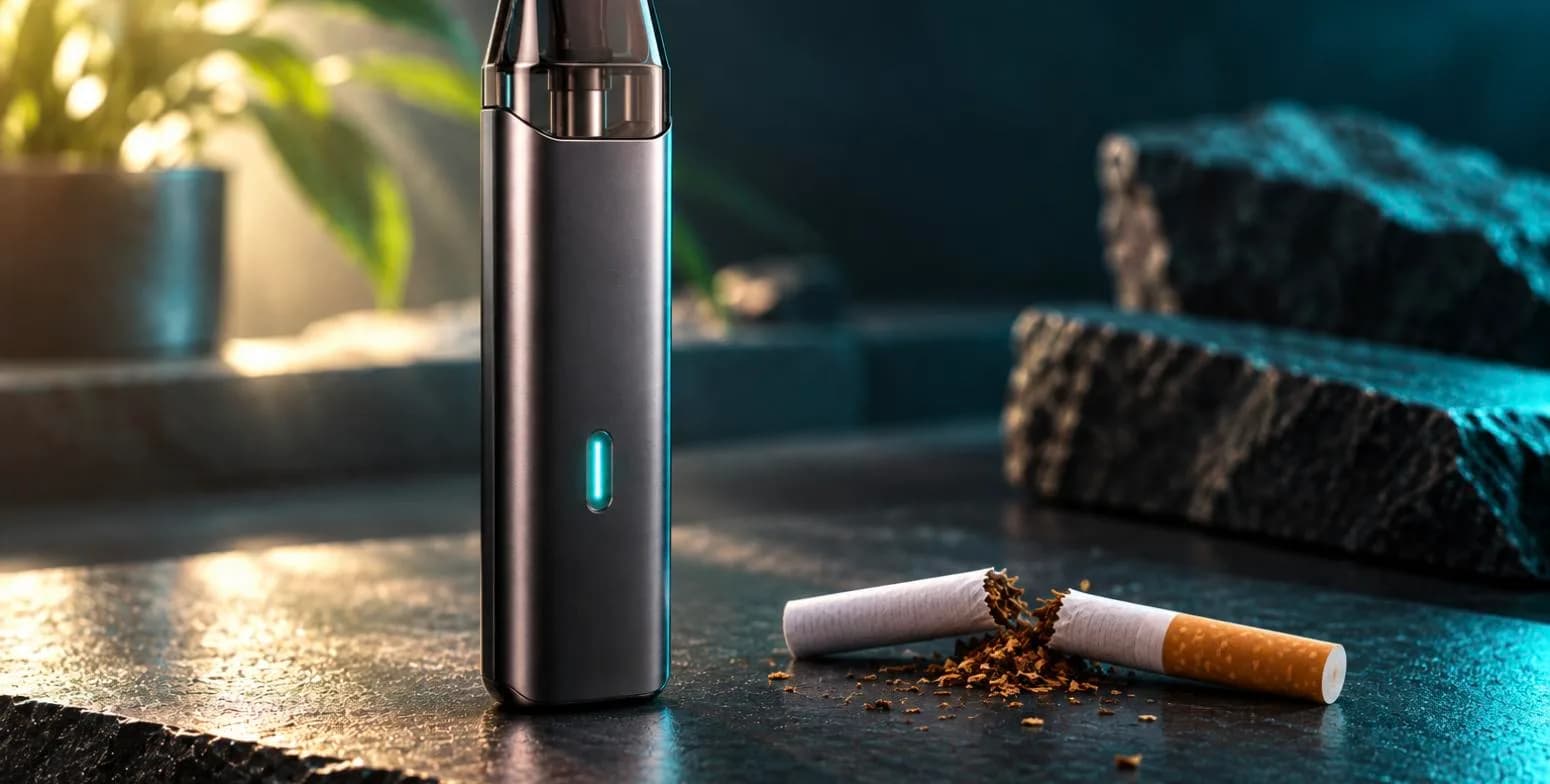
Is the UK Vape Ban Pushing Ex-Smokers Back to Cigarettes?
Complete 2025 analysis of the disposable vape ban effects, smoking relapse risks, and practical alternatives for UK vapers
The UK's groundbreaking vape ban on single-use vapes took effect on 1 June 2025, marking a pivotal moment in public health policy. While designed to protect the environment and reduce youth vaping, research suggests it may have unintended consequences for the millions of adults who have used vaping to quit smoking.
Critical Alert for Ex-Smokers
A report by the Future Health Research Centre warned that up to 200,000 people could return to smoking cigarettes as a direct result of the disposable vape ban. If that happened, it would undo some of the progress made in helping smokers quit.
Understanding the UK Vape Ban: What's Changed in 2025
What's Banned
- Single-use disposable vapes (such as the original Elf Bar 600 and Lost Mary disposables)
- Non-rechargeable e-cigarette devices
- Vapes without replaceable components
What Remains Legal
- Rechargeable vape devices
- Refillable pod systems
- Rechargeable devices with replaceable prefilled pods
- Vape mods with replaceable coils
Legislative Timeline
2024: Regulations banning single-use vapes were made in England, Scotland and Wales
1 June 2025: Ban took effect across England, Scotland, Wales and Northern Ireland
1 October 2026: Vaping Products Duty of £2.20 per 10ml of e-liquid comes into force
The 200,000 Smoking Relapse Concern: Evidence and Analysis
Video: Expert analysis on potential smoking relapse from disposable vape ban
Research Methodology and Findings
The 200,000 figure is an upper estimate from the Future Health Research Centre, based on polling of British adults. Its findings show the complex relationship between disposable vape access and staying smoke-free.
Concerns
- • A minority of disposable users said they would go back to smoking
- • Disposable use was highest among 18-24 year olds
- • A small rise in the overall smoking rate was projected
Positive Outcomes
- • Most users said they would switch to other vaping products
- • Some planned to quit vaping entirely or try nicotine replacement therapy
- • Environmental benefits from reduced waste
What the Report Recommended
The report's authors argued that efforts to cut youth vaping should not have the side effect of increasing smoking, particularly among younger adults, and called for clearer guidance on legal alternatives.
Why Ex-Smokers Are Particularly Vulnerable
Nicotine Dependency
Ex-smokers often rely on vaping to manage nicotine cravings and prevent relapse to cigarettes
Behavioral Habits
The ritual of vaping replaces smoking behaviors, and disruption can trigger return to familiar patterns
Accessibility Concerns
Disposables were convenient and affordable; alternatives may seem complex or expensive
The Psychology of Smoking Cessation
Industry surveys, such as those from the UK Vaping Industry Association (UKVIA), suggest that most former smokers who vape credit e-cigarettes with helping them quit, and that many rely on sweet and fruity flavours to stay smoke-free.
Key Risk Factors for Relapse
- • Sudden removal of preferred vaping method
- • Stress and anxiety from change
- • Lack of immediate alternatives
- • Cost barriers to replacement devices
- • Social situations involving smoking
- • Misinformation about legal alternatives
- • Inadequate support during transition
- • Overwhelming device complexity
Environmental and Health Drivers Behind the Ban
ITV News analysis: Environmental and health impacts of disposable vapes
Environmental Crisis
The environmental impact of disposable vapes has reached critical levels:
Waste Statistics
- • Around 5 million single-use vapes thrown away every week in 2023 (Material Focus)
- • Up from about 1.3 million a week in 2022
- • Around 40 tonnes of lithium wasted a year
That is enough lithium for thousands of electric car batteries, yet it was discarded after minimal use. Batteries thrown in general waste can also cause fires in bin lorries and at waste sites and leak harmful substances.
Youth Vaping Concerns
The surge in youth vaping has become a public health priority:
Youth Statistics
- • 7.2% of 11-17 year olds currently vaping in 2024 (ASH)
- • Disposables were the most popular device among young vapers
Health groups, including the British Medical Association, raised concerns that sweet flavours such as bubblegum and candy floss appeal to children, adding pressure on the government to act.
Practical Alternatives Guide: Your Transition Roadmap
Video guide: Moving from disposables to pod kits and saving money
Recommended Alternatives for Ex-Smokers
Rechargeable Pod Kits
Best for beginners
Similar experience to disposables, but rechargeable with swappable flavour pods
- ✓ Easy to use
- ✓ Wide flavor selection
- ✓ Cost-effective
- ✓ Portable design
Rechargeable Vapes
Intermediate users
Rechargeable battery with a prefilled pod plus a refill tank
- ✓ Longer lasting
- ✓ USB-C charging
- ✓ Wide flavour range
- ✓ Less waste than single-use vapes
High-Capacity Dual-Pod Kits
Heavier users
Two swappable mesh pods in one rechargeable kit
- ✓ Switch flavours without changing kits
- ✓ Rechargeable
- ✓ Mesh coils
- ✓ TPD compliant
Transition Strategy for Ex-Smokers
- Choose a device similar to your old disposable (a pod kit is recommended)
- Start with familiar nicotine strength and flavors
- Purchase starter kit with multiple pods/coils
- Learn basic maintenance (cleaning, refilling)
- Gradually explore new flavors and adjust settings
- Connect with local vape shops for ongoing support
Cost Analysis: Financial Impact of the Transition
One of the most compelling arguments for moving from disposables to refillable systems is the cost saving. Based on typical UK prices, switching can save hundreds of pounds a year while you stay smoke-free.
Monthly Breakdown
Disposable Vapes (before the ban)
£5-6 per device × 15-20 per month
£75-120 monthly
Refillable System
Device: £20-30 (one-time) + E-liquid and pods/coils: £15-25/month
£15-25 monthly (after initial investment)
Potential Annual Savings
About £600-1,200
Additional Financial Benefits
- • Reduced frequency of purchases
- • Bulk buying e-liquid discounts
- • Device longevity (6-12 months)
- • Refilling keeps costs down as Vaping Products Duty arrives (1 October 2026)
- • No premium for convenience
- • Better nicotine value per pound
NHS Support and Cessation Resources
NHS Position on Vaping
The NHS says vaping is substantially less harmful than smoking and can help people quit smoking for good, although it is not risk-free and is only recommended for adults who smoke.
— Summary of NHS guidance
Available NHS Support
- • Local Stop Smoking Services may offer free vaping starter packs
- • Smoking cessation counseling and support groups
- • Nicotine replacement therapy prescriptions
- • Mental health support for addiction recovery
- • Regular monitoring and follow-up appointments
Finding Local Support
Contact Your GP
Discuss your concerns about the vape ban and smoking relapse risks
Local Stop Smoking Services
Free support and potentially subsidized vaping products
NHS Smokefree Helpline
0300 123 1044 - Free confidential advice and support
Digital Support
NHS Smokefree app and online resources for ongoing motivation
Emergency Action Plan
If you're experiencing strong urges to return to smoking due to the vape ban:
Call NHS Helpline
Immediate professional support
Purchase Alternatives
Quickly obtain legal vaping devices
Find Community
Connect with other ex-smokers
Expert Perspectives and Industry Response
TalkTV discussion: views on the disposable vape ban
City A.M. analysis: Creating a smoke-free generation through vape policy
Key Stakeholder Positions
Government Position
The government described single-use vapes as wasteful and a driver of litter, and said banning them would also help protect children from nicotine addiction.
Industry Concerns
Parts of the vaping industry warned that limiting products and flavours risks pushing ex-smokers who rely on them back to far more harmful cigarettes.
Research Perspective
The Future Health Research Centre urged the government to give people clear guidance and support on legal alternatives to prevent smoking relapse.
Frequently Asked Questions
Will the vape ban UK really cause 200,000 people to return to smoking?
According to the Future Health Research Centre, modelling suggests that up to 200,000 people could return to smoking as a result of the disposable vape ban. The projection is based on survey data in which some disposable users said they would switch back to cigarettes. However, the actual impact will depend on how well alternatives are promoted and supported.
What are the best alternatives to disposable vapes for ex-smokers?
The closest alternatives for ex-smokers are rechargeable pod kits, which offer a similar experience to disposables with far less waste. Popular options include the RELX MaxGo, the rechargeable Hayati Pro Max+ and dual-pod kits like the RandM Tornado 32000 Ultra. They offer the same nicotine strengths (up to 20mg) in a familiar format while costing less in the long run.
How much money can I save by switching from disposables to refillable vapes?
Based on typical UK prices, switching from disposables to a refillable system can save about £600-1,200 a year. Someone using 15-20 disposables a month spent around £75-120, while a refillable system costs around £15-25 a month after an initial device cost of £20-30. The savings increase over time as you only need to purchase e-liquid and occasional replacement coils.
Can I still get vaping support from the NHS after the ban?
Yes, the NHS continues to support vaping as a smoking cessation tool. Local Stop Smoking Services may offer free vaping starter packs, and you can access counseling, nicotine replacement therapy, and support groups. Contact your GP or call the NHS Smokefree helpline (0300 123 1044) for guidance on maintaining your smoke-free status.
Are vape flavours being banned along with disposables?
No, the ban that took effect on 1 June 2025 only affects single-use devices, not flavours. Flavoured e-liquids remain available for refillable and rechargeable devices. The Tobacco and Vapes Bill, which is still going through Parliament, would give ministers powers to restrict flavours, but no flavour ban is in force.
What should I do if I'm experiencing strong cravings to smoke since the ban?
If you're experiencing strong smoking cravings, take immediate action: 1) Call the NHS Smokefree helpline (0300 123 1044) for professional support, 2) Purchase a legal alternative vaping device quickly, 3) Contact your local Stop Smoking Service, 4) Consider nicotine replacement therapy as a temporary measure, and 5) Connect with online support communities for encouragement.
Your Next Steps: Staying Smoke-Free After the Vape Ban
The UK vape ban represents a significant policy shift, but it doesn't have to derail your smoke-free journey. While research suggests up to 200,000 people may be at risk of returning to cigarettes, you have the power to choose a different path.
Immediate Action Plan
- Assess your current vaping needs and preferences
- Research suitable alternative devices
- Visit a reputable vape shop for guidance
- Purchase a starter kit with extra supplies
- Familiarize yourself with device maintenance
- Set up NHS support if needed
Long-term Success Strategies
- • Build a support network of fellow ex-smokers
- • Track your savings from switching systems
- • Stay informed about vaping regulations
- • Celebrate milestones in your smoke-free journey
- • Consider reducing nicotine gradually if desired
- • Advocate for reasonable vaping policies
Don't Let the Ban Break Your Progress
You've already overcome the biggest challenge by quitting smoking. This transition is just another step in your health journey.
Remember: Rechargeable and refillable devices are still legal, so there is a compliant option for you.
For ongoing support and the latest updates on UK vaping regulations, bookmark this page and share it with others who might benefit.
Like this? Tell Google you want more of it.