
🛡 SECURE CHECKOUT
⚡ Free Next Day Delivery Over £25 (Order Before 4:30 PM Mon-Fri)
🔞 18+ ONLY · AGE VERIFICATION REQUIRED
Cart

How Vape Pod Devices Work: Complete Technical Guide 2025

By Asif Iqbal ·
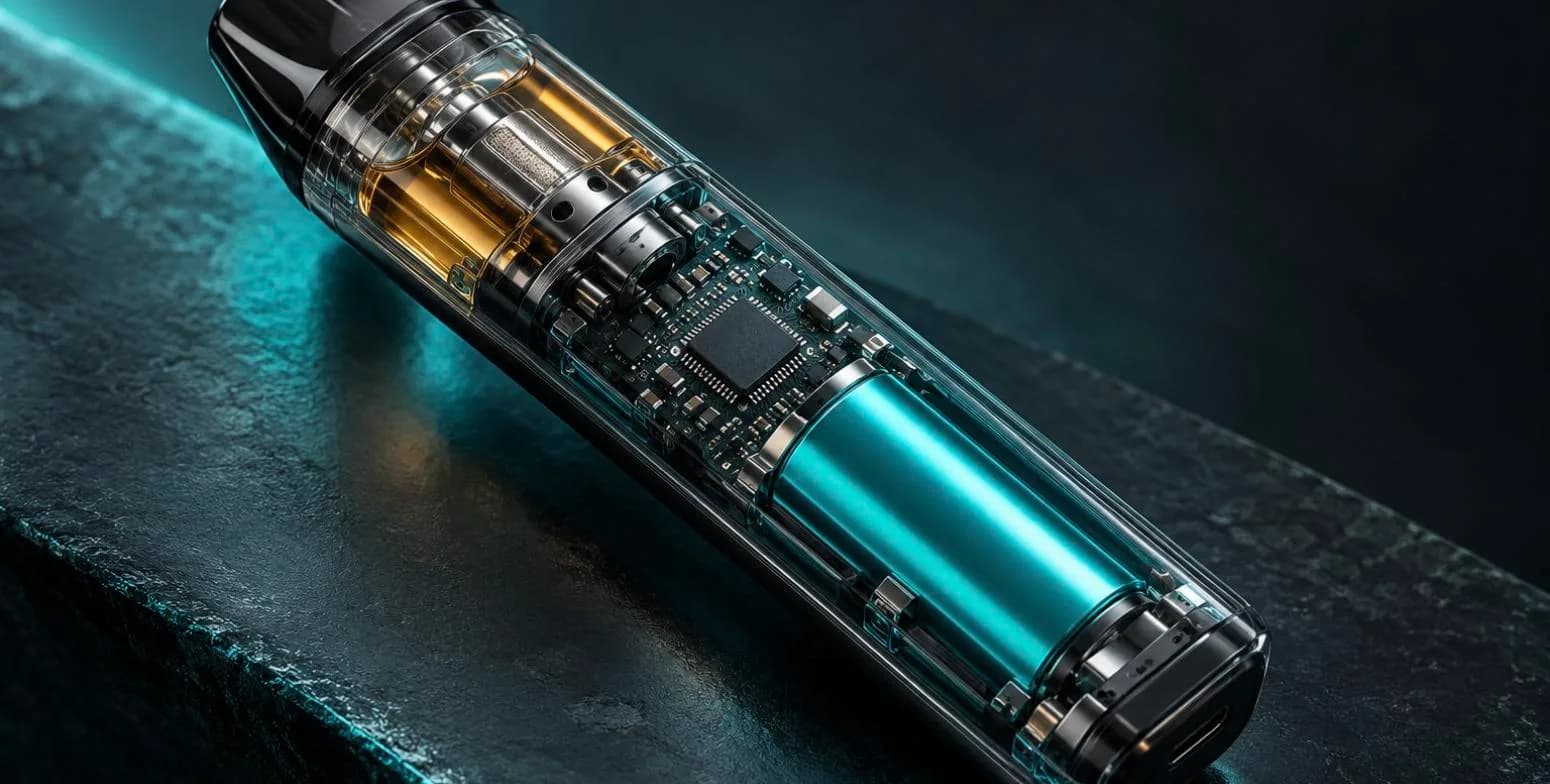
Vape Pod Devices Explained: Ultimate 2025 Technical Guide

🚀 Quick Navigation

Discover the complete inner workings of vape pod devices, from basic mechanisms to advanced troubleshooting. This comprehensive guide covers everything you need to know about vape pod technology in 2025.

🎯 Understanding Vape Pod Device Technology

Vape pod devices have revolutionized the vaping industry with their sophisticated yet user-friendly design. These compact electronic devices represent the perfect marriage of advanced technology and simplicity, offering users an efficient nicotine delivery system that rivals traditional cigarettes in satisfaction while providing a cleaner alternative.

In 2025, vape pod device mechanisms have evolved to incorporate cutting-edge features like smart sensors, optimized airflow systems, and advanced coil technologies. Understanding how these devices work empowers users to make informed decisions, troubleshoot issues effectively, and maximize their vaping experience.

💡 Expert Insight: Modern vape pod technology operates on the principle of controlled vaporization, where precise temperature management ensures optimal flavor delivery while minimizing harmful byproducts.

⚙️ How Vape Pod Devices Work: Basic Mechanism

The fundamental operation of vape pod device mechanisms centers around a simple yet sophisticated process of heating e-liquid to create inhalable vapor. This process involves multiple integrated systems working in harmony to deliver a consistent and satisfying experience.

The Step-by-Step Process

  1. Activation: User inhalation or button press triggers the device
  2. Power Delivery: Battery sends electrical current to the heating coil
  3. Heat Generation: Coil rapidly heats to optimal vaporization temperature (180-220°C)
  4. E-liquid Vaporization: Heat transforms e-liquid into vapor through controlled evaporation
  5. Airflow Integration: Vapor mixes with incoming air through precision airflow channels
  6. Vapor Delivery: Final vapor travels through the mouthpiece for inhalation

🔍 Pod Device Working Principle Diagram

Airflow Path: Air Inlet → Coil Chamber → Mixing Zone → Mouthpiece

Power Path: Battery → Circuit Board → Coil → Heat Generation

E-liquid Path: Reservoir → Wick → Coil Surface → Vaporization

Activation Methods in Modern Pod Systems

Activation Type How It Works Advantages Best For
Draw-Activated Pressure sensor detects inhalation No buttons, automatic operation Beginners, cigarette-like experience
Button-Activated Manual button controls power delivery Precise control, prevents accidental firing Experienced users, customization
Hybrid Systems Both draw and button activation available Maximum flexibility and control Advanced users, variable preferences

🔧 Core Components of Vape Pod Systems

Understanding vape pod components is essential for comprehending how these devices achieve their remarkable performance. Each component plays a critical role in the overall functionality and user experience.

Primary Components Breakdown

1. Battery Unit (Power Source)

The battery unit serves as the heart of any vape pod device, providing the electrical energy required for operation. Modern pod systems utilize high-capacity lithium-ion batteries ranging from 400mAh to 1500mAh.

  • Capacity Range: 400-1500mAh typical capacity
  • Voltage Output: 3.2V to 4.2V operating range
  • Safety Features: Overcharge protection, short-circuit prevention
  • Charging Technology: USB-C fast charging (1-2 hour full charge)

2. Pod Cartridge (E-liquid Chamber)

The pod cartridge houses the e-liquid and integrates the coil system. This component determines the device's capacity, flavor delivery, and overall performance characteristics.

  • Material: Food-grade PCTG or Pyrex glass construction
  • Capacity: 1ml to 6ml e-liquid capacity range
  • Fill System: Side-fill or bottom-fill mechanisms
  • Coil Integration: Built-in or replaceable coil options

3. Heating Coil (Atomizer)

The heating coil represents the core of vape pod coil and heating technology, responsible for transforming e-liquid into vapor through precise temperature control.

4. Airflow System

The vape pod airflow system controls vapor density, flavor concentration, and draw resistance through precision-engineered air channels.

5. Control Circuit

Advanced microprocessor-controlled circuits manage power delivery, safety monitoring, and user interface functions.

🔬 Technical Note: Modern pod systems employ sophisticated temperature coefficient regulation to maintain consistent coil temperatures between 180-220°C for optimal vapor production.

🔋 Vape Pod Battery Operation & Power Management

Vape pod battery operation involves sophisticated power management systems that ensure optimal performance, safety, and longevity. Understanding these systems helps users maximize device lifespan and maintain consistent performance.

Battery Technology Overview

Modern vape pod devices utilize high-drain lithium-ion batteries specifically designed for vaping applications. These batteries feature enhanced safety circuits and optimized discharge characteristics.

Power Delivery Mechanisms

Power Mode Voltage Range Wattage Output Battery Duration Best Use Case
Constant Voltage 3.3V - 4.2V 8-15W 6-12 hours MTL vaping, nicotine salts
Variable Wattage Auto-regulated 5-25W 4-8 hours Customizable experience
Smart Mode Adaptive Auto-optimized 8-10 hours Beginner-friendly operation

Battery Safety Features

  • Overcharge Protection: Prevents battery damage from excessive charging
  • Short Circuit Detection: Automatically shuts down during electrical faults
  • Low Voltage Cutoff: Protects battery from deep discharge damage
  • Temperature Monitoring: Prevents overheating during operation
  • Automatic Timeout: 10-second safety cutoff prevents overheating
⚡ Battery Optimization Tip: Charge your pod device when the battery reaches 20-30% capacity to maximize battery lifespan and maintain optimal performance.

🌡️ Vape Pod Coil and Heating Technology

Vape pod coil and heating technology represents the most critical aspect of vapor production. The precision engineering of modern coil systems ensures optimal flavor delivery, vapor production, and device longevity.

Coil Construction and Materials

Coil Wire Materials

  • Kanthal A1: Standard resistance wire, reliable performance
  • Stainless Steel 316L: Temperature control compatible, clean flavor
  • Ni80 (Nichrome): Fast ramp-up time, excellent flavor
  • Mesh Coils: Increased surface area, superior flavor delivery

Wicking Materials

The wicking system delivers e-liquid to the coil surface for vaporization:

  • Organic Cotton: Superior absorption, pure flavor profile
  • Ceramic Wicks: Longer lifespan, temperature stability
  • Silica Wicks: High heat resistance, consistent performance

Heat Distribution and Temperature Control

Modern pod mod working principle incorporates advanced temperature management to prevent dry hits and optimize vapor production.

🌡️ Coil Heating Process

Stage 1: Electrical current flows through coil wire

Stage 2: Resistance creates heat (180-220°C optimal range)

Stage 3: E-liquid absorbs heat and vaporizes

Stage 4: Vapor forms and travels through airflow system

💨 How Pods Produce Vapor: Airflow Systems

Understanding how pods produce vapor requires examining the sophisticated airflow engineering that transforms heated e-liquid into smooth, flavorful vapor. The vape pod airflow system plays a crucial role in vapor quality, draw resistance, and overall user experience.

Airflow Engineering Principles

Modern pod devices employ precision-engineered airflow channels that create optimal mixing ratios between vaporized e-liquid and incoming air.

Airflow Path Components

  1. Air Intake Vents: Precisely sized openings control air volume
  2. Turbulence Chambers: Create optimal mixing conditions
  3. Coil Interaction Zone: Where air meets vaporized e-liquid
  4. Condensation Management: Prevents liquid buildup in airpath
  5. Mouthpiece Design: Final vapor conditioning and delivery

Adjustable Airflow Technologies

Airflow Type Control Method Draw Resistance Vapor Production Ideal For
Fixed MTL Non-adjustable Tight Moderate Nicotine salts, beginners
Adjustable MTL Ring or slider Variable tight Customizable Preference customization
DTL Compatible Wide-bore adjustment Loose High volume Cloud production, freebase

Vapor Formation Science

The process of vapor formation involves complex thermodynamics where e-liquid components transform from liquid to gas phase:

  • Propylene Glycol (PG): Vaporizes at 188°C, carries flavor
  • Vegetable Glycerin (VG): Vaporizes at 290°C, produces vapor volume
  • Nicotine: Vaporizes at 247°C, provides satisfaction
  • Flavorings: Various boiling points, create taste profiles

🎯 Nicotine Delivery in Vape Pod Systems

Nicotine delivery in vape pods represents one of the most sophisticated aspects of modern vaping technology. Pod systems are specifically engineered to optimize nicotine absorption while maintaining smooth, satisfying hits.

Nicotine Salt Technology

Most modern pod systems utilize nicotine salt e-liquids, which provide superior bioavailability and smoother throat hits compared to traditional freebase nicotine.

Nicotine Salt Advantages

  • Faster Absorption: Reaches bloodstream in 10-15 seconds
  • Smoother Throat Hit: Reduced harshness at higher concentrations
  • Better Satisfaction: More cigarette-like nicotine experience
  • Stable at Lower Temperatures: Optimal for pod device power levels

Nicotine Concentration Guide

Nicotine Level Cigarette Equivalent User Profile Pod Compatibility Satisfaction Level
0mg Nicotine-free Non-smokers, flavor only All pod types Flavor focus
3-6mg Light smokers (1-5/day) Casual users DTL pod systems Mild satisfaction
12-18mg Moderate smokers (10-15/day) Regular vapers MTL pod systems Good satisfaction
20mg+ Heavy smokers (20+/day) Recent quitters MTL pods only High satisfaction
🧬 Scientific Fact: Nicotine salts allow for 50mg+ concentrations without harsh throat hits, making them ideal for effective cigarette replacement therapy.

📱 Vape Pod Device Types & Technologies

Vape pod device types have diversified significantly in 2025, offering solutions for every user preference and experience level. Understanding these categories helps users select the optimal device for their needs.

Classification by System Type

1. Closed Pod Systems

Closed systems use pre-filled, non-refillable pods designed for specific devices.

  • Advantages: No mess, consistent quality, beginner-friendly
  • Limitations: Limited flavor options, higher long-term costs
  • Best For: Beginners, convenience-focused users

2. Open Pod Systems

Open systems feature refillable pods compatible with various e-liquids.

  • Advantages: Cost-effective, flavor variety, customization
  • Considerations: Requires maintenance, potential for leaks
  • Best For: Experienced users, cost-conscious vapers

3. Hybrid Systems

Advanced devices offering both pre-filled and refillable pod options.

  • Advantages: Maximum flexibility, future-proofing
  • Features: Multiple pod types, smart recognition
  • Best For: Versatile users, premium experience seekers

Advanced Pod Technologies 2025

Smart Pod Recognition

Intelligent systems that automatically detect pod type and adjust settings accordingly.

Temperature Control Integration

Precise temperature management for optimal flavor and coil longevity.

Wireless Connectivity

Bluetooth integration for usage tracking and device customization via smartphone apps.

💧 E-Liquid Usage & Pod Technology

Vape pod liquid usage involves sophisticated fluid dynamics and material compatibility considerations that directly impact device performance and user experience.

E-Liquid Composition Compatibility

VG/PG Ratio Viscosity Pod Compatibility Vapor Production Flavor Intensity
50/50 Medium Excellent MTL pods Moderate High
60/40 VG/PG Medium-High Good most pods Good Good
70/30 VG/PG High DTL pods only High Medium

Wicking Efficiency Factors

  • E-liquid Viscosity: Thinner liquids wick faster, prevent dry hits
  • Sweetener Content: High sweeteners can gunk coils faster
  • Temperature Stability: Quality ingredients maintain consistency
  • Pod Design: Wick hole size affects liquid flow rate
💡 Optimization Tip: For optimal performance, use 50/50 VG/PG e-liquids with nicotine salts in MTL pod systems, and 60/40 or 70/30 ratios for DTL applications.

⚡ Vape Pod Charging Methods & Safety

Vape pod charging methods have evolved to incorporate fast-charging technologies and comprehensive safety systems. Understanding proper charging practices ensures device longevity and user safety.

Modern Charging Technologies

USB-C Fast Charging

Most 2025 pod devices feature USB-C connectivity with fast-charging capabilities:

  • Charging Speed: 30-60 minutes for full charge
  • Power Input: 5V/1A to 5V/2A typical specifications
  • Efficiency: >90% charging efficiency with modern circuits
  • Safety: Built-in overcharge protection systems

Wireless Charging Integration

Premium pod devices now offer Qi-compatible wireless charging:

  • Convenience: Drop-and-charge functionality
  • Safety: Reduced connector wear and tear
  • Speed: 5W-10W wireless charging rates

Charging Safety Protocols

✅ Safe Charging Practices

  • Use manufacturer-provided cables
  • Charge on stable, non-flammable surfaces
  • Monitor device temperature during charging
  • Unplug when fully charged
  • Avoid charging overnight unattended

⚠️ Charging Warning Signs

  • Excessive heat during charging
  • Swelling battery compartment
  • Burning smell or visible damage
  • Charging port spark or damage
  • Device not reaching full charge

Battery Maintenance Best Practices

  • Charge Cycles: Avoid deep discharge (below 20%)
  • Temperature: Charge at room temperature (15-25°C)
  • Storage: Store at 40-60% charge for long-term
  • Usage: Regular use maintains battery health

🔧 Common Issues & Troubleshooting

Understanding common vape pod issues and their solutions enables users to maintain optimal device performance and resolve problems quickly. This comprehensive troubleshooting guide covers the most frequent problems encountered with pod systems.

Performance Issues

🚫 No Vapor Production

Possible Causes:

  • Empty or low e-liquid level
  • Dead battery requiring charge
  • Faulty coil connection
  • Blocked airflow vents

Solutions:

  • Refill pod or replace with new pod
  • Charge device fully before use
  • Clean connection points with dry cloth
  • Clear airflow vents of debris

😤 Weak Flavor/Vapor

Possible Causes:

  • Worn out coil requiring replacement
  • Low battery affecting power output
  • Poor e-liquid wicking
  • Condensation buildup in airpath

Solutions:

  • Replace pod or coil assembly
  • Charge battery to full capacity
  • Prime new coils properly
  • Clean device and remove condensation

🔥 Burnt Taste

Possible Causes:

  • Dry coil from insufficient e-liquid
  • Chain vaping without pause
  • High wattage for coil resistance
  • Old, degraded coil material

Solutions:

  • Ensure adequate e-liquid in pod
  • Allow 30 seconds between puffs
  • Check wattage compatibility
  • Replace pod with fresh coil

💧 Leaking Pod

Possible Causes:

  • Overfilled pod beyond capacity
  • Damaged O-rings or seals
  • Cracked pod housing
  • Improper pod installation

Solutions:

  • Fill to maximum line only
  • Inspect and replace damaged seals
  • Replace cracked or damaged pods
  • Ensure proper pod seating

Electrical Issues

⚡ Device Won't Turn On

Diagnostic Steps:

  1. Check battery charge level
  2. Verify proper pod installation
  3. Clean battery contacts
  4. Attempt reset procedure
  5. Check for physical damage

🔋 Charging Problems

Troubleshooting Process:

  1. Inspect charging cable for damage
  2. Clean charging port carefully
  3. Try different power source
  4. Check for overheating during charge
  5. Contact manufacturer if persistent
🔧 Professional Tip: Most pod device issues stem from improper maintenance or user error. Regular cleaning and following manufacturer guidelines prevent 90% of common problems.

🛒 Featured Premium Pod Devices

Discover our carefully selected premium vape pod devices that exemplify the advanced technology and superior performance discussed throughout this guide. These products represent the cutting edge of vape pod innovation for 2025.

Crystal Prime 10000 Puffs Vape Pod Device

Crystal Prime 10000

Revolutionary Pod Technology

  • ✅ Advanced mesh coil heating system
  • ✅ 10,000 puff capacity with consistent performance
  • ✅ Optimized airflow for superior flavor delivery
  • ✅ Smart battery management technology
  • ✅ Leak-proof pod design with premium materials

Perfect for: Users seeking long-lasting performance with premium vape pod device features and exceptional vapor production.

View Details Add to Cart
Relx MaxGo Combo 33K Puffs Advanced Pod System

Relx MaxGo Combo 33K

Next-Generation Pod Innovation

  • 🚀 Unprecedented 33,000 puff capacity
  • 🚀 Intelligent coil recognition system
  • 🚀 Advanced nicotine delivery optimization
  • 🚀 Premium build quality with aerospace materials
  • 🚀 Industry-leading battery efficiency technology

Perfect for: Heavy users demanding maximum convenience and exceptional longevity with cutting-edge vape pod technology.

View Details Add to Cart

🎯 Why Choose These Premium Pod Devices?

Both featured systems demonstrate the advanced vape pod device mechanism principles discussed in this guide:

  • 🔬 Superior Technology: Advanced coil systems and battery management
  • 💰 Exceptional Value: High puff counts provide excellent cost-per-use
  • 🔒 Reliable Performance: Consistent vapor production throughout device lifespan
  • 🌱 Environmental Consideration: Extended lifespans reduce waste impact
  • 👥 User-Friendly Design: Simple operation suitable for all experience levels

🛍️ Explore More: Browse our complete premium pod device collection for additional options that meet 2025 UK regulations.

❓ Frequently Asked Questions

How do vape pod devices work exactly?
Vape pod devices work through a sophisticated mechanism involving battery-powered heating coils that vaporize e-liquid. When activated (by inhalation or button press), the battery sends electrical current to a resistance coil, which heats to 180-220°C. This heat vaporizes the e-liquid absorbed in the surrounding wick material, creating vapor that travels through precision airflow channels to the mouthpiece. The entire process is controlled by microprocessor circuits that ensure optimal performance and safety.
What are the main components inside a vape pod device?
The main components include: (1) Lithium-ion battery (400-1500mAh capacity), (2) Pod cartridge with e-liquid reservoir (1-6ml capacity), (3) Heating coil/atomizer (resistance wire with wicking material), (4) Airflow system with precision air channels, (5) Control circuit with safety features, (6) Charging port (usually USB-C), and (7) Mouthpiece with ergonomic design. Each component is engineered to work together for optimal vapor production and user experience.
How does the vape pod battery operation work?
Vape pod battery operation involves high-drain lithium-ion batteries with sophisticated power management systems. The battery delivers 3.2V to 4.2V to the coil through regulated circuits. Modern pods include safety features like overcharge protection, short-circuit detection, low voltage cutoff, temperature monitoring, and automatic 10-second timeout. Smart charging systems provide fast USB-C charging (30-60 minutes full charge) with >90% efficiency. Battery life typically ranges 6-12 hours depending on usage patterns and power settings.
How do vape pod coils heat the e-liquid?
Vape pod coils use resistance wire (Kanthal, stainless steel, or nichrome) that heats when electrical current flows through it. The coil reaches optimal temperatures of 180-220°C, which is sufficient to vaporize e-liquid components: PG vaporizes at 188°C, VG at 290°C, and nicotine at 247°C. The coil is surrounded by wicking material (usually organic cotton) that absorbs e-liquid and delivers it to the heating surface. Modern mesh coils provide increased surface area for better heat distribution and flavor production.
How do pods produce vapor through the airflow system?
Pods produce vapor through precisely engineered airflow systems that create optimal mixing between vaporized e-liquid and incoming air. The process involves: (1) Air enters through calibrated intake vents, (2) Air flows through turbulence chambers for optimal mixing, (3) Air interacts with heated coil where e-liquid vaporizes, (4) Vapor and air mix in the chamber, (5) Final vapor travels through the mouthpiece. Adjustable airflow systems allow customization of draw resistance and vapor density for different vaping styles (MTL vs DTL).
How is nicotine delivered in vape pod systems?
Nicotine delivery in vape pods is optimized through nicotine salt technology, which provides faster absorption and smoother throat hits. Nicotine salts reach the bloodstream in 10-15 seconds compared to 30+ seconds for freebase nicotine. Pod systems typically use 20mg nicotine salts for optimal satisfaction equivalent to traditional cigarettes. The lower temperature vaporization in pods (compared to high-wattage devices) preserves nicotine stability and effectiveness. Bioavailability is enhanced through the smaller particle size created by pod device vapor production.
What types of vape pod devices are available in 2025?
2025 vape pod devices include: (1) Closed systems with pre-filled non-refillable pods for maximum convenience, (2) Open systems with refillable pods for cost-effectiveness and customization, (3) Hybrid systems offering both pre-filled and refillable options, (4) Smart pods with Bluetooth connectivity and app integration, (5) Temperature control pods for precision vaping, (6) Fast-charging pods with USB-C and wireless charging, and (7) High-capacity pods with 1000+ mAh batteries for extended use. Each type serves different user preferences and experience levels.
How should e-liquid be used with vape pod technology?
E-liquid usage with pod technology requires matching viscosity and composition to device specifications. MTL pods work best with 50/50 VG/PG ratios and nicotine salts (12-20mg), while DTL pods can handle 60/40 or 70/30 VG/PG ratios with freebase nicotine (3-12mg). Proper wicking requires appropriate e-liquid viscosity - thinner liquids wick faster and prevent dry hits. Avoid high-sweetener e-liquids that can gunk coils quickly. Always fill pods to the maximum line to prevent leaking while ensuring adequate liquid for proper wicking.
What charging methods are used for vape pods and how safe are they?
Modern vape pods use USB-C fast charging (30-60 minutes full charge) with 5V/1A to 5V/2A input. Premium devices offer Qi-compatible wireless charging at 5W-10W rates. Safety features include overcharge protection, temperature monitoring, and automatic shutoff. Best practices: use manufacturer cables, charge on stable surfaces, avoid overnight charging, monitor for excessive heat, and store at 40-60% charge long-term. Charging efficiency exceeds 90% with modern circuits, and proper maintenance ensures 300-500 charge cycles before capacity degradation.
What are the most common vape pod problems and solutions?
Common issues include: (1) No vapor - check battery charge, e-liquid level, and coil connections, (2) Weak flavor - replace worn coils, ensure proper wicking, remove condensation, (3) Burnt taste - avoid dry hits, reduce chain vaping, replace old coils, (4) Leaking - don't overfill, check O-ring seals, ensure proper pod installation, (5) Charging problems - inspect cables, clean charging port, verify power source. Most issues (90%) stem from improper maintenance or user error and can be prevented through regular cleaning and following manufacturer guidelines.

🏁 Conclusion: Mastering Vape Pod Device Technology

Understanding how vape pod devices work reveals the sophisticated engineering behind these compact yet powerful devices. From the intricate vape pod device mechanism to advanced vape pod battery operation, every component works in harmony to deliver an exceptional vaping experience.

The evolution of vape pod technology in 2025 has produced devices that perfectly balance performance, convenience, and safety. Whether you're interested in the precise vape pod coil and heating systems, the sophisticated vape pod airflow system, or the optimized nicotine delivery in vape pods, modern pod devices represent the pinnacle of vaping innovation.

🎯 Key Takeaways

  • 🔬 Advanced Mechanism: Pod devices use sophisticated heating and airflow systems for optimal vapor production
  • 🔋 Smart Power Management: Modern batteries include comprehensive safety features and fast-charging capabilities
  • 🎨 Superior Flavor: Precision-engineered coils and airflow systems maximize flavor delivery
  • ⚡ User-Friendly Design: Simple operation masks complex internal technology
  • 🛡️ Enhanced Safety: Multiple protection systems ensure safe operation

As vape pod device types continue to evolve, understanding the fundamental principles of how pods produce vapor and manage vape pod liquid usage empowers users to make informed decisions and troubleshoot issues effectively. The future of vaping lies in the continued refinement of pod technology, offering ever-improving performance in increasingly compact and user-friendly packages.

Ready to experience premium pod technology? Explore our collection of advanced pod devices that incorporate all the cutting-edge features discussed in this comprehensive guide.

How Vape Pod Devices Work: Complete Technical Guide 2025 | Univapez | Univapez