
🛡 SECURE CHECKOUT
⚡ Free Next Day Delivery Over £25 (Order Before 4:30 PM Mon-Fri)
🔞 18+ ONLY · AGE VERIFICATION REQUIRED
Cart

Disposable Vape Ban in UK 2025: Complete Guide to the New Regulations

By Asif Iqbal ·
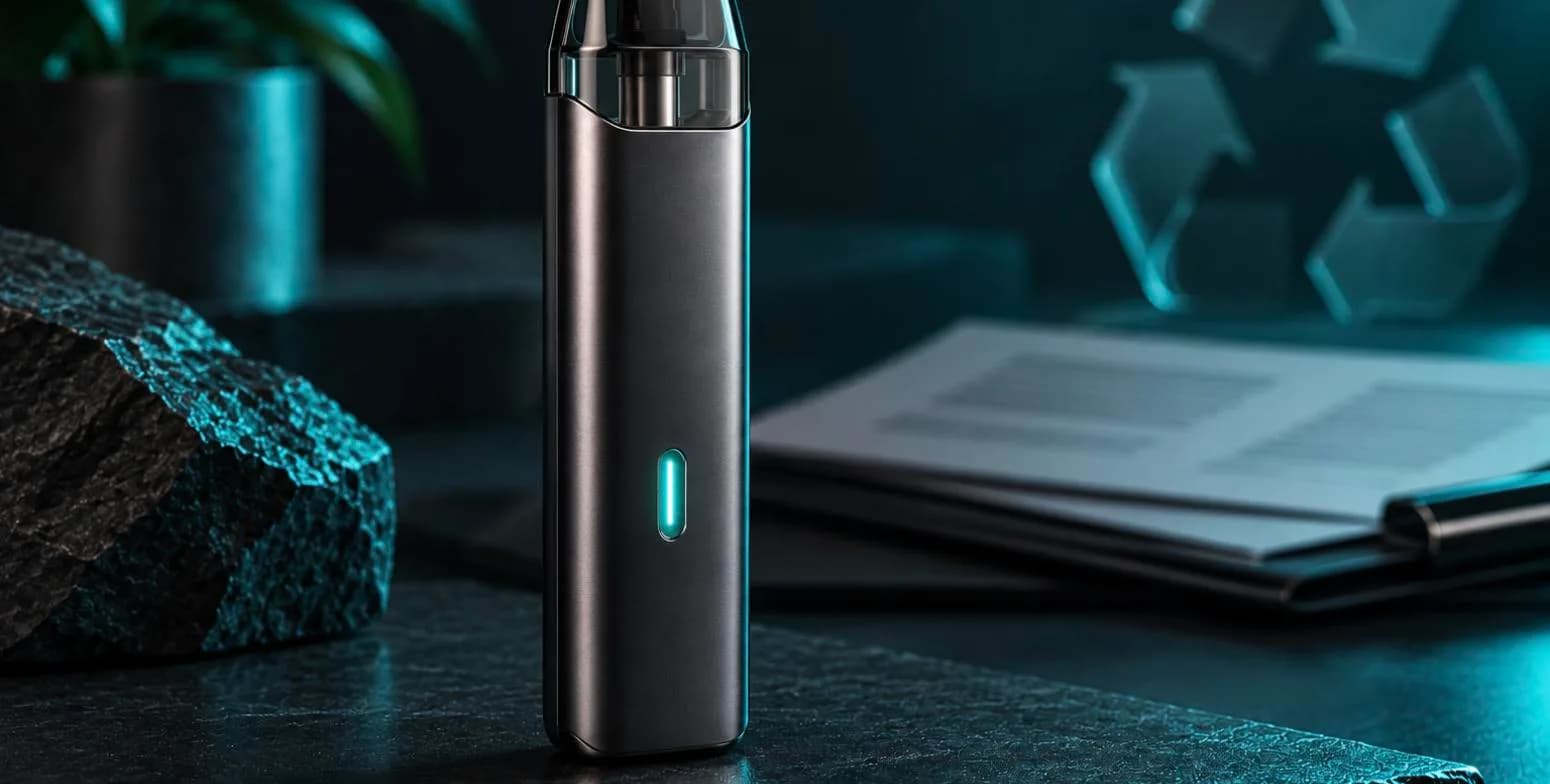
Disposable Vape Ban in UK 2025

Last Updated: May 12, 2025

Introduction: Understanding the UK's Disposable Vape Ban

Starting June 1, 2025, the sale and supply of all single-use or disposable vapes will be banned across the United Kingdom. This landmark legislation comes in response to growing environmental concerns and rising rates of youth vaping, marking a significant shift in the UK's approach to vaping products.

UK Vape Ban 2025 Infographic

Source: WDL Trade - UK Disposable Vape Ban 2025 Overview

Key Facts: Nearly 5 million disposable vapes are discarded weekly in the UK, and approximately 11% of the UK adult population (5.6 million people) currently use vape products. Of these, over 40% primarily use single-use vapes, meaning this ban will impact millions of consumers.

The ban will affect all forms of single-use vapes, including those without nicotine, and applies to both high street and online retailers, as well as healthcare settings and stop smoking services. However, this is not a complete ban on vaping—reusable vape products will remain legally available.

🔥 Discover the Power of Flavor with the Hayati Pro Max 4000 Puffs!

Looking for a high-performance vape that delivers on taste and longevity? Check out the Hayati Pro Max 4000 Puffs Disposable Vape Device – your perfect companion for smooth, flavourful clouds and extended vaping satisfaction. With sleek design, up to 4000 puffs, and a variety of bold flavours, it’s time to level up your vape game.

BBC News: Disposable vapes to be banned in UK

This comprehensive guide explains everything you need to know about the disposable vape ban: what it covers, why it's happening, how it will be enforced, and what alternatives are available for current users of disposable vapes.

Disposable vape ban in UK illustration

Image: Action on Smoking and Health (ASH)

Why Are Disposable Vapes Being Banned?

The UK government has provided two primary rationales for implementing this ban, though environmental concerns appear to be the driving force:

Sky News: Sale and supply of single-use vapes to be banned in UK

Environmental impact of disposable vapes

Source: Haypp - Environmental Impact of Disposable Vapes

1. Environmental Impact

According to research by Material Focus, nearly five million disposable vapes are littered or discarded every week in the UK—a fourfold increase from just a year ago. This creates significant environmental problems:

  • Toxic Waste: Discarded vapes introduce harmful chemicals into soil, rivers, and streams when improperly disposed of.
  • Resource Waste: In 2022 alone, over 40 tonnes of lithium batteries from disposable vapes were discarded—enough to power 5,000 electric vehicles.
  • Fire Hazards: Lithium-ion batteries in vapes pose serious fire risks in waste processing facilities when punctured or damaged.
  • Recycling Challenges: Due to their design, disposable vapes are difficult to dismantle and properly recycle, with costs estimated at £200 million annually.

2. Youth Vaping Concerns

The second major driver behind the ban is addressing the rise in youth vaping:

  • Vaping among 11-17 year-olds has doubled since 2020, with close to 8% reporting vaping as of 2023.
  • Disposable vapes are the most popular product among young people who vape, due to their accessibility, attractive designs, and ease of use.
  • Health experts have raised concerns about the impact of vaping on developing brains, concentration, and the potential for nicotine addiction.
"Single-use vapes are highly wasteful and tarnish our towns and cities. This ban is a crucial step in ending the country's throwaway culture." - UK Government Statement

Expert Perspective

Dr. Helen Wall told BBC Breakfast: "NHS advice is very clear that vaping should be used as a means to stop smoking. But for people who have never smoked, and for young people particularly, to turn to vaping can be quite detrimental. Our young people are becoming quite addicted. It's affecting their concentration, they're becoming agitated, their capacity to learn is affected, their developing brain can be affected."

Key Dates and Timeline for the Ban

Vape Ban Timeline Infographic

Source: Evapo - Disposable Vape Ban Timeline

October 23, 2024

Parliament passes legislation to ban the sale of disposable vapes starting June 1, 2025. The legislation also introduces a new tax on vape e-liquids.

January 20, 2025

GOV.UK publishes official guidance on the single-use vapes ban, including definitions of affected products and compliance requirements.

April 1, 2025

UK Government issues reminder that the deadline for selling any remaining single-use vapes is approaching. Retailers are advised to begin selling through stock and preparing for the transition.

May 31, 2025

Last day for retailers to legally sell disposable vapes. Online retailers like Haypp confirm this as the final day to place orders for disposable products.

June 1, 2025

Implementation Day: From this date, it becomes illegal for businesses to sell, supply, offer to sell or supply, or have in their possession for sale or supply any single-use vapes across England, Scotland, Wales, and Northern Ireland.

Important: Retailers must ensure all stock of disposable vapes is sold or properly disposed of before June 1, 2025. After this date, possession of disposable vapes for sale or supply will be illegal and could result in penalties.

What Products Are Covered by the Ban?

SoulOhm: Vape Ban 2025: Definition of a Reusable Vape?

Definition of Single-Use or Disposable Vapes

The ban applies to all vaping products that are "neither designed nor intended to be re-used." According to the UK government's guidance, a single-use or disposable vape is one that doesn't meet both of the following criteria:

For a vape to be considered reuseable, it must be:

  1. Rechargeable: The device must have a battery that can be recharged
  2. Refillable: The device must be able to be refilled with vape liquid

Additionally, if the vape contains a coil (the heating element), it must be one that can be replaced by an average user.

Products specifically covered by the ban include:

  • Single-stick devices where the mouthpiece, tank, and battery are fixed together
  • Devices that are rechargeable but not refillable
  • Devices that are refillable but not rechargeable
  • Devices with non-replaceable coils (even if rechargeable and refillable)
  • All disposable vapes, regardless of whether they contain nicotine

Popular Brands Affected

Many of the most popular disposable vape brands will be affected by this ban, including:

Elf Bar

Popular Disposable

One of the UK's most popular disposable vape brands, known for its wide range of flavors and compact design.

Lost Mary

Disposable High Demand

Known for its distinctive design and premium flavor options, Lost Mary has gained significant market share in recent years.

Elux

Disposable

Popular for its higher puff count models and variety of flavor options.

SKE Crystal

Disposable Premium

Known for its crystal-like design and higher-end disposable options.

It's worth noting that many of these brands have already begun releasing reusable versions of their popular disposable products to comply with the upcoming legislation.

Distinguishing Between Banned and Legal Vape Products

What Makes a Vape "Reusable"?

For a vape to remain legal after June 1, 2025, it must meet specific criteria to be considered "reusable." Understanding these differences is crucial for both consumers and retailers:

Feature Banned Disposable Vapes Legal Reusable Vapes
Battery Non-rechargeable battery Must have a rechargeable battery (typically with USB or USB-C port)
E-liquid Pre-filled, non-refillable tank Must be refillable with separately purchased e-liquid OR use replaceable pre-filled pods
Coil/Heating Element Fixed, non-replaceable coil Must have a replaceable coil or use pods with replaceable coils
Lifespan Designed to be discarded after use Designed for continued use through refilling/recharging
Component Availability No replacement parts available Replacement components (pods, coils, e-liquid) must be separately available for purchase

How to Verify Compliance

For nicotine-containing products, the Medicines and Healthcare products Regulatory Agency (MHRA) maintains a list of approved vaping products. Starting June 1, 2025, all single-use vaping products will be removed from this list.

To verify if a product is compliant, retailers and consumers can:

  1. Check the MHRA notified products list for nicotine-containing vapes
  2. Visually inspect the product for refill ports and recharging capabilities
  3. Confirm that replacement components (e-liquid, pods, coils) are readily available
  4. Contact local Trading Standards for guidance on specific products

Retailer Tip

As a retailer, it's your legal responsibility to provide evidence that products are compliant. Be prepared to demonstrate that an average user can separately purchase refill items (including pods or e-liquid) and replacement coils for the vaping products you sell.

Impact on Different Stakeholders

Impact on Consumers

With over 40% of UK vapers primarily using disposable products, this ban will significantly affect consumer habits:

ITV News: Disposable vapes ban may have a 'limited impact' — The Rundown

  • Transition period: Consumers will need to adapt to new devices, potentially facing a learning curve with refillable systems.
  • Cost implications: While initial investment in reusable systems may be higher, long-term costs are typically lower than continuous disposable purchases.
  • Behavioral shifts: According to University College London research, many users are already transitioning to reusable vapes in anticipation of the ban.
How will users adapt to the disposable vape ban

Source: Haypp - Survey: How Users Plan to Adapt to the Disposable Vape Ban

A survey of 369 current disposable vape users found:

  • 43% plan to switch to prefilled pod vapes
  • 25% will opt for refillable vapes
  • 7% plan to quit vaping altogether
  • 2% indicated they would return to tobacco products
  • 9% admitted they would consider purchasing from black market sources

Impact on Retailers

For vape shops, convenience stores, and online retailers, the ban necessitates significant business adjustments:

  • Inventory management: Retailers must sell or safely dispose of all disposable stock before June 1, 2025.
  • Product transition: Businesses will need to shift focus to reusable vaping systems, including education for staff on new products.
  • Recycling obligations: Under WEEE Regulations, retailers must continue to offer takeback services for all vapes and vape components.
  • Market opportunity: The transition creates potential for increased sales of starter kits, accessories, and e-liquids.

Impact on Healthcare and Stop Smoking Services

Healthcare providers face unique challenges with this transition:

  • Disposable vapes are widely used in secure mental health settings to support smoking abstinence during hospital admissions.
  • Services have until June 1, 2025, to distribute any remaining stock, after which it will be illegal to supply disposable vapes to service users.
  • No exemptions to the ban exist for healthcare settings or stop smoking services.
  • Mental health services and their patients may need additional support to transition away from disposable products.

Statement from Mark Rowland, Chair of the Mental Health and Smoking Partnership: "We welcome action to curb youth vaping and address environmental concerns, but the most vulnerable groups of smokers must not be forgotten. Smokers with mental health conditions are more likely to be using disposable vapes currently, and many inpatient mental health settings will only allow disposable vapes to be used. The NHS needs to support trusts and patients to transition to reusable products and ensure more people are supported to stop smoking."

Economic Impact on the Vaping Industry

The UK vaping industry has seen significant growth in recent years:

  • In 2021 alone, the industry contributed £1.3 billion in turnover, a 23.4% increase from 2017.
  • The industry generated £310 million in tax revenues in 2021.
  • Manufacturers are rapidly adapting by releasing reusable versions of popular disposable models.
  • The ban is expected to accelerate innovation in sustainable vaping technology.

Alternatives to Disposable Vapes

With the ban approaching, current disposable vape users have several alternative options to consider:

ITV News: Disposable vapes to be banned by next summer - What does it mean for you?

Disposable vape alternatives infographic

Source: Haypp - Alternatives to Disposable Vapes

1. Vape Pod Systems

Pod systems are compact, easy-to-use devices that function similarly to disposables but are reusable. They come in two main types:

Prefilled Pod Systems

  • How they work: Use replaceable pods pre-filled with e-liquid
  • Advantages: Simple to use, minimal maintenance, similar user experience to disposables
  • Considerations: Higher ongoing cost than refillable systems, limited flavor options compared to e-liquids
  • Best for: New vapers transitioning from disposables who want simplicity

Refillable Pod Systems

  • How they work: Feature pods that can be refilled with your choice of e-liquid
  • Advantages: More economical long-term, wider flavor selection, reduced waste
  • Considerations: Requires purchasing e-liquid separately, slight learning curve for refilling
  • Best for: Users wanting more customization while maintaining convenience

2. Vape Kits and Mods

For those seeking greater customization and performance:

  • How they work: Typically feature a battery mod with adjustable settings and a refillable tank
  • Advantages: Highly customizable (power, temperature, airflow), longer battery life, better performance
  • Considerations: Larger size, higher initial cost, steeper learning curve
  • Best for: Experienced vapers and those willing to learn more about vaping technology

3. Nicotine Pouches

For those looking for a smoke-free and vapor-free alternative:

  • How they work: Small pouches containing nicotine that are placed between the gum and lip
  • Advantages: Discreet, no vapor production, can be used anywhere, no charging or refilling
  • Considerations: Different experience from vaping, may take time to adjust
  • Best for: Users primarily seeking nicotine delivery rather than the vaping experience

Making the Transition: Step-by-Step Guide

  1. Identify your needs: Consider what aspects of disposable vapes you value most (convenience, flavor variety, nicotine strength)
  2. Start simple: Begin with a user-friendly pod system before moving to more complex devices
  3. Match nicotine strength: Choose e-liquids or pods with similar nicotine concentrations to your current disposable
  4. Ask for demonstrations: Visit a vape shop for hands-on guidance with refilling and maintenance
  5. Be patient: Allow time to adjust to the new system—the experience may differ slightly from disposables

Environmental Benefits of the Ban

The environmental impact of disposable vapes has been a primary driver behind the ban. Here's how the transition to reusable vapes is expected to benefit the environment:

Waste Reduction

  • Nearly 5 million disposable vapes are currently discarded weekly in the UK—approximately 260 million annually.
  • The ban is expected to significantly reduce this electronic waste stream.
  • Reusable vapes generate substantially less waste, as only consumable components (coils, pods) need replacement.

Resource Conservation

  • In 2022, over 40 tonnes of lithium from vape batteries were wasted—enough to power 5,000 electric vehicles.
  • Disposable vapes contain valuable resources including lithium, cobalt, and copper that are often lost when improperly disposed of.
  • According to Recycle Your Electricals, almost 80% of materials in vapes can be recycled.
  • Proper recycling of all vapes could recover enough lithium to power 10,000 electric cars.

Reduced Fire Risks

Improper disposal of lithium batteries in vapes presents significant fire hazards:

  • When damaged, lithium batteries can spontaneously ignite, causing fires in waste collection vehicles and processing facilities.
  • Stuart Hayward-Higham, Technical Development Director at SUEZ Recycling and Recovery UK, warns that compromised lithium batteries "may spontaneously ignite like a firework."
  • Transition to reusable vapes means fewer batteries in the waste stream, reducing this risk.

Future Environmental Initiatives

The disposable vape ban is part of a broader push toward environmental sustainability:

  • Environmental organizations are advocating for vapes to receive a special category under environmental regulations.
  • This would allow the government to set clear collection targets and ensure producers cover recycling costs.
  • The Material Focus organization notes that too many companies are currently "dodging their share of £200 million/year responsibility for collection and recycling."

Important: Even after the ban, proper recycling of all vape products remains crucial. Vapes should never be disposed of in general waste bins. Retailers are required to provide take-back services for vapes and vape components under the Waste Electrical and Electronic Equipment (WEEE) Regulations.

Enforcement and Compliance

The enforcement approach for the disposable vape ban will vary slightly across the UK's four nations, though the core restrictions remain consistent throughout.

Who Will Enforce the Ban?

  • England: Local authority Trading Standards officers
  • Wales: Local authorities
  • Scotland: Local authorities reporting to the Crown Office and Procurator Fiscal Service
  • Northern Ireland: Local enforcement bodies

Multiple government agencies coordinate on vape regulations, including:

  • Border Force
  • Medicines and Healthcare products Regulatory Agency (MHRA)
  • Office of Product Safety and Standards (OPSS)
  • Trading Standards

Penalties for Non-Compliance

Penalties vary by nation, but all involve significant consequences:

England

  • Initial penalties: Civil sanctions including stop notices, compliance notices, and fines of £200
  • Continued violations: Unlimited fines, prison sentences of up to 2 years, or both
  • Additional measures: Seizure of prohibited products and cost recovery notices for investigation expenses

Wales

  • Civil sanctions: Fixed fines of £200 or variable fines exceeding £200, enforcement cost recovery notices
  • Magistrates Court: Unlimited fines, up to 6 months imprisonment, or both
  • Crown Court: Up to 2 years imprisonment, unlimited fines, or both

Scotland

  • First offence: Fixed penalty of £200 (reduced to £150 if paid within 14 days)
  • Repeat offences: Escalating penalties from £400 to £800 for multiple violations
  • Summary conviction: Fines up to £5,000
  • Conviction on indictment: Up to 2 years imprisonment, fines, or both

Northern Ireland

  • Magistrates Court: Fines up to £5,000
  • Crown Court: Up to 2 years imprisonment, fines, or both

Black Market Concerns

There are concerns that the ban could drive some sales underground:

  • A survey found that 90% of respondents believe the ban could increase illegal vape sales.
  • 9% of current disposable vape users indicated they would consider purchasing from black market sources.
  • Unregulated vapes may contain harmful chemicals and often exceed legal nicotine levels.

To address these concerns, the UK government is allocating an additional £30 million per year to enforcement agencies for combating illicit sales of tobacco and vaping products.

Consumer Warning: Illegal vapes may contain harmful chemicals like lead and nickel, often exceed legal nicotine limits, and can deliver as many as 7,000 puffs (far exceeding the 600-1,000 puffs allowed in regulated products). Purchasing from unregulated sources poses significant health risks.

International Context: Similar Bans Worldwide

The UK's approach to disposable vapes is part of a broader global trend toward stricter regulation of vaping products:

European Union

  • While the EU hasn't implemented a bloc-wide ban on disposable vapes, several member states have introduced their own restrictions.
  • France has announced plans to ban disposable vapes, citing similar environmental and youth usage concerns.
  • The EU's updated Tobacco Products Directive, expected in the coming years, may address disposable vapes more comprehensively.

United States

  • Several U.S. states and cities have implemented or proposed bans on flavored e-cigarettes, which affects many disposable products.
  • California, New York, Massachusetts, and Rhode Island have ongoing restrictions on flavored vaping products.
  • The FDA continues to review marketing applications for vaping products, rejecting many disposable options.

Australia

  • Australia has implemented a prescription-only model for nicotine vapes, effectively limiting access to all types of vaping products, including disposables.
  • Non-nicotine vapes remain more accessible but are subject to increasing scrutiny.

New Zealand

  • New Zealand has focused on flavor restrictions and retail location limitations rather than outright bans on device types.
  • The country continues to position vaping as a harm reduction tool for smokers while limiting youth appeal.

Lessons from International Approaches

Different regulatory approaches have yielded varying outcomes:

  • San Francisco's total flavored tobacco products ban has been linked to higher cigarette smoking rates among high school students, according to Yale School of Public Health research.
  • Australia's prescription model has faced challenges with black market sales.
  • Countries that have maintained a harm reduction approach while addressing youth vaping have generally seen continued declines in smoking rates.

The UK's targeted approach—focusing specifically on disposable devices while maintaining access to reusable alternatives—represents a middle ground that aims to address environmental concerns while preserving vaping as an option for adult smokers.

Frequently Asked Questions

Q: Can I still use my disposable vapes after June 1, 2025?

A: Yes, consumers can continue using disposable vapes they legally purchased before the ban. The ban only prohibits the sale and supply of disposable vapes, not their possession or use by individuals.

Q: What should I do with unused disposable vapes after the ban?

A: Unused disposable vapes should never be thrown in regular waste bins. They should be returned to a retailer that offers a vape recycling take-back service. All vape retailers are required to provide this service under WEEE regulations. You can find your nearest vape recycling point through the Recycle Your Electricals postcode locator.

Q: Will vape flavors also be banned?

A: No, the June 2025 ban only targets disposable vape devices, not specific flavors. Flavored e-liquids will remain available for use in refillable devices. However, the Tobacco and Vapes Bill does give the government powers to regulate vape packaging, branding, display, and flavor descriptors in the future.

Q: How can I tell if a vape is reusable and legal to sell after June 1, 2025?

A: A vape is considered reusable if it: (1) has a rechargeable battery, (2) is refillable with e-liquid or uses replaceable pre-filled pods, and (3) has a replaceable coil or heating element. For nicotine-containing vapes, you can also check the MHRA notified products list.

Q: I run a vape shop. What should I do with my remaining disposable vape stock?

A: You must sell all disposable vape stock before June 1, 2025, or arrange for proper recycling through a registered vape recycling service. From June 1, even having disposable vapes in your possession for sale or supply will be illegal. It's recommended to gradually reduce orders of disposable products and increase stock of compliant alternatives.

Q: Are there any exemptions to the ban for medical or special purposes?

A: No, there are no exemptions to the ban for any settings or purposes, including healthcare or stop smoking services. All organizations must transition to reusable alternatives by June 1, 2025.

Q: Will the ban lead to increased smoking rates?

A: There is some concern about this possibility. A UK Vaping Industry Association survey found that 14% of vapers would likely return to smoking if flavored or disposable vapes were banned. However, the availability of reusable vape alternatives should mitigate this risk.

Q: How will the ban be enforced against online sellers?

A: The ban applies equally to both physical and online retailers. Enforcement agencies will monitor online sales, and penalties for non-compliance are the same regardless of sales channel. Online retailers must cease selling disposable vapes to UK customers by June 1, 2025.

Conclusion and Resources

The UK's ban on disposable vapes, taking effect on June 1, 2025, represents a significant shift in the country's approach to vaping products. While primarily driven by environmental concerns, the ban also aims to address the rise in youth vaping associated with disposable products.

For the millions of UK vapers currently using disposable products, the transition to reusable alternatives offers an opportunity to maintain their vaping habit while reducing environmental impact. Manufacturers are already responding with reusable versions of popular disposable models, and retailers are preparing for the inventory shift.

The success of this policy will depend on several factors:

  • Effective enforcement against non-compliant sales
  • Consumer adaptation to reusable alternatives
  • Retailer compliance and preparation
  • Support for vulnerable populations, particularly in healthcare settings

By understanding the specifics of the ban, the alternatives available, and the reasoning behind the legislation, consumers and businesses can navigate this transition successfully.

Official Resources

Support for Smokers and Vapers

If you're using vaping as a smoking cessation tool, free support is available through:

Stay Informed: As the implementation date approaches, additional guidance and resources may become available. Keep checking official government sources for the most up-to-date information on the disposable vape ban.


Last Updated: May 12, 2025 | Published on: May 12, 2025

This article is for informational purposes only and does not constitute legal advice. Businesses should consult legal professionals regarding compliance with the disposable vape ban.