
Auto-Safety Modes to Prevent Overheating and Dry Hits: Complete UK Guide 2025
By Asif Iqbal ·
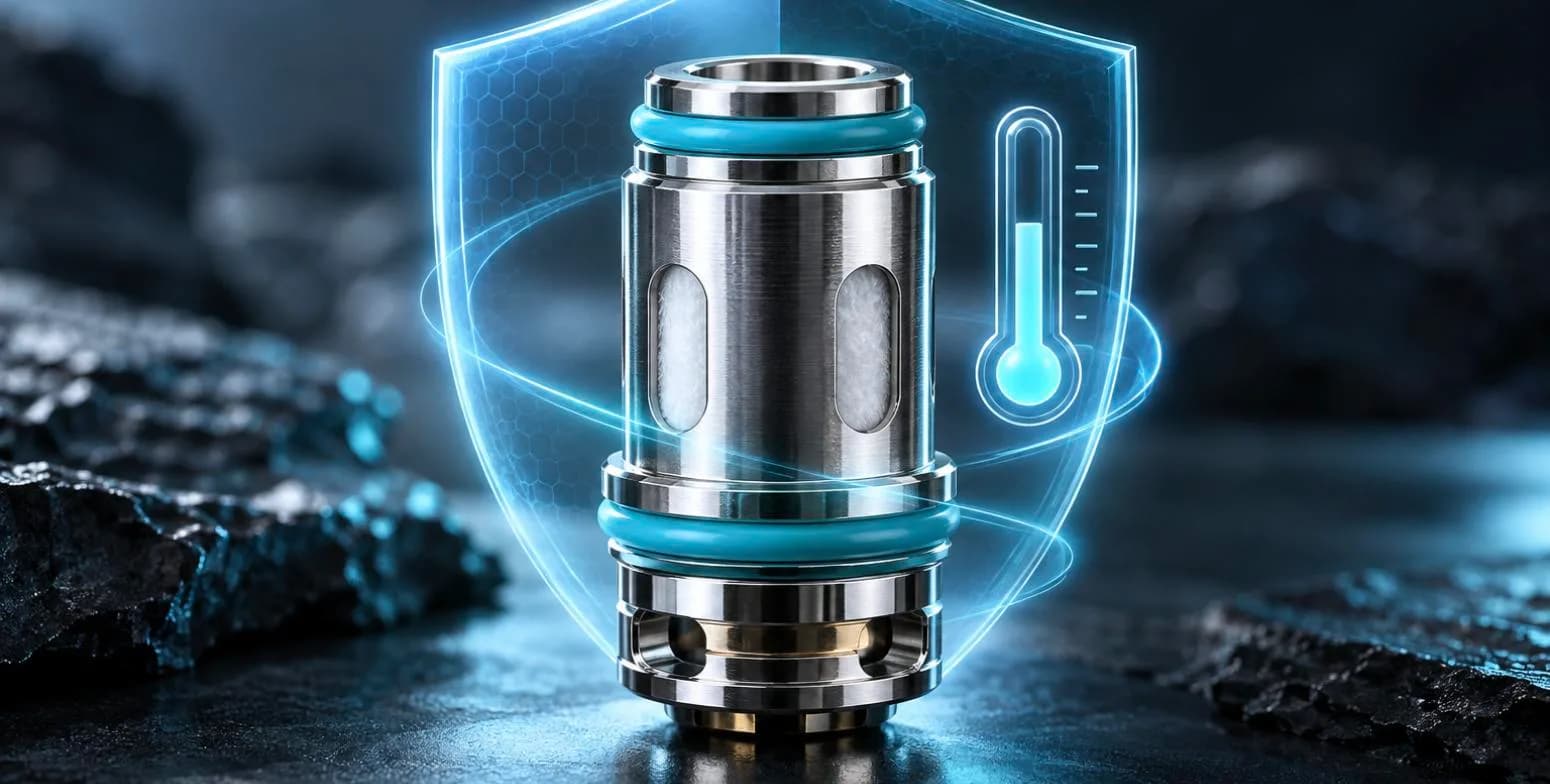
How Smoke-Free Devices Prevent Overheating
Your Complete UK Guide to Auto-Safety Modes and Dry Hit Prevention in 2025
Understanding How Smoke-Free Devices Prevent Overheating has become essential for UK vapers who want reliable performance. Modern vaping devices use auto-safety modes that monitor coil resistance, firing time, and battery status to automatically prevent the overheating and dry hits that damage coils and ruin your session. Whether you're using a rechargeable pre-filled pod kit like the Crystal Galaxy Focus 2 30K or a refillable pod kit, these protection systems work constantly in the background.
Whether you're concerned about burnt coils, device damage, or inconsistent vapour production, these built-in protections help. This guide explores how smoke-free devices prevent overheating—from temperature control on advanced mods to the automatic cut-offs built into everyday pod kits—so you can vape with confidence. Most reputable brands build protections like these into their hardware because they matter for consistent performance.
How Do Smoke-Free Devices Prevent Overheating: The Core Mechanisms
What Are Auto-Safety Modes?
Auto-safety modes are the built-in systems that answer how smoke-free devices prevent overheating—they automatically monitor and adjust coil temperature, power output, and battery status to stop common issues like overheating, dry hits, and coil damage before they happen. These systems work continuously in the background, ensuring optimal performance without requiring constant user intervention. When you hit a device like the SKE Memers 10k Puffs 20mg, the chip inside monitors the coil and battery every time you draw.
- Coil and firing-time monitoring (full temperature control on TC-capable mods)
- Automatic power reduction when limits are approached
- Battery and circuit protection features
- Automatic cut-off after a long continuous draw
Why This Matters for Your Kit
Without these protections, coils burn, e-liquid scorches inside the tank, and you get a harsh, unpleasant hit that tastes burnt. Overheating also damages battery cells and can cause device failure. Modern devices prevent this by cutting power the moment they detect a problem. With high-puff pre-filled pod kits like the Hayati Pro Ultra Plus, these protections help keep flavour consistent across the life of each pod.
- Protects coils from burnout
- Extends device lifespan
- Keeps vapour quality consistent
- Prevents battery damage
Temperature Control: How Devices Measure and Manage Heat
Temperature control (TC) is one of the primary answers to how smoke-free devices prevent overheating. The coil itself acts as a temperature sensor—as it heats up, its electrical resistance changes. The device's chipset measures this change many times per second and estimates the coil temperature in real time. When the temperature reaches the limit you (or the manufacturer) have set, the mod automatically reduces power output to prevent further heat buildup.
How It Works in Practice
Imagine you're using a TC-capable mod with a 0.6Ω stainless steel coil at 20W. You take a long draw—the coil resistance rises as it heats. The device reads this change, calculates that the coil is approaching your temperature limit, and cuts power automatically. After your draw ends and the coil cools, resistance drops back to 0.60Ω, and power returns to 20W. You don't need to adjust anything—the device does it automatically. This cycle repeats every time you vape, which is why temperature control helps reduce dry hits and burnt tastes once it's set up properly. Simpler pod kits, such as the VooPoo Argus Z, don't use full temperature control; they rely on fixed or adjustable wattage plus cut-offs, so keeping the pod topped up and primed matters more.
Coil Materials and Temperature Sensing
Different coil materials respond differently to temperature changes. Stainless steel, nickel (Ni200) and titanium coils change resistance noticeably as they heat, which is what makes temperature control possible. Kanthal and nichrome barely change resistance with heat, so they're used in wattage mode instead. Most refillable pod kits from brands such as Vaporesso and Uwell run in wattage mode and protect the coil with built-in cut-offs rather than full temperature control.
Like this? Tell Google you want more of it.